


K18 Leave-In Molecular Repair Hair Mask for Damaged Hair
Hair damage is a common concern caused by heat styling, chemical treatments, coloring, and environmental exposure. Over time, these factors weaken the hair structure and lead to dryness, breakage, and loss of shine. Modern hair care solutions aim not only to mask these issues but also to repair the internal structure of hair. One such product that has gained attention in professional hair care is the K18 Leave-In Molecular Repair Hair Mask for Damaged Hair.
This leave-in treatment is designed to repair hair from the inside rather than simply coating the outer layer. Understanding how it works and how to use it properly can help individuals restore strength and manageability to damaged hair.
Understanding Hair Damage
Hair strands are composed of keratin chains that form the internal structure of each strand. When hair is exposed to repeated chemical treatments such as bleaching, coloring, or perming, these keratin chains can break down. Heat styling tools such as flat irons, curling irons, and blow dryers can also weaken the bonds within the hair.
Common Causes of Hair Damage
Several factors contribute to hair damage:
-
Frequent heat styling
-
Chemical treatments like bleaching or coloring
-
Environmental exposure such as sun and pollution
-
Overwashing or using harsh hair products
-
Tight hairstyles that cause stress on hair strands
When these factors weaken the internal bonds of hair, the result is brittle, frizzy, and difficult-to-manage strands.
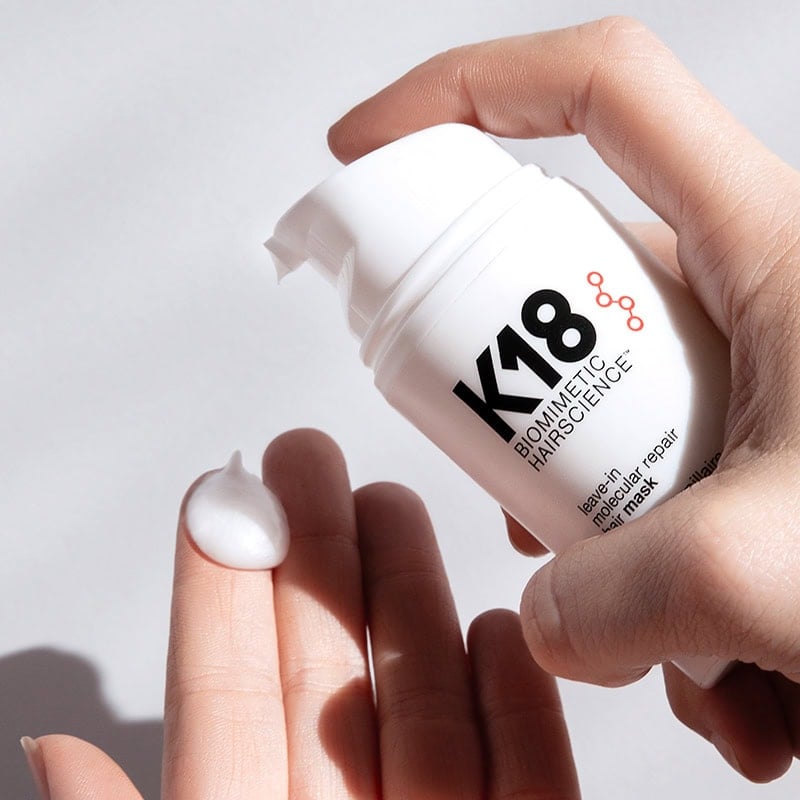
What Is K18 Leave-In Molecular Repair Hair Mask for Damaged Hair?
The K18 Leave-In Molecular Repair Hair Mask for Damaged Hair is a leave-in treatment formulated to repair hair damage at a molecular level. Unlike traditional conditioners or masks that mainly smooth the outer layer of hair, this treatment works by targeting broken keratin chains within the hair structure.
The formula uses a patented peptide technology that helps reconnect broken chains and restore strength. Because it works inside the hair strand, it provides longer-lasting repair rather than temporary cosmetic improvement.
Another advantage is its simple application. Since it is a leave-in mask, there is no need for extended waiting time or rinsing after application.
Key Benefits of Using the Hair Mask
The K18 Leave-In Molecular Repair Hair Mask for Damaged Hair offers several benefits for individuals experiencing damaged or chemically treated hair.
Repairs Internal Hair Structure
The primary benefit is its ability to repair broken keratin chains inside the hair shaft. This helps restore strength and reduce breakage over time.
Improves Hair Strength and Elasticity
When internal bonds are repaired, hair becomes stronger and more flexible. This elasticity helps prevent snapping or splitting when brushing or styling.
Reduces Frizz and Dryness
Damaged hair often appears frizzy and rough. By improving the internal structure, the mask helps smooth hair and maintain moisture balance.
Suitable for Chemically Treated Hair
Hair that has undergone bleaching, coloring, or chemical straightening often needs intensive repair. The K18 Leave-In Molecular Repair Hair Mask for Damaged Hair is designed to support recovery from these treatments.
Simple Leave-In Application
Unlike traditional hair masks that require rinsing after several minutes, this treatment remains in the hair and continues working after application.
How to Use K18 Leave-In Molecular Repair Hair Mask for Damaged Hair
Using the product correctly ensures better results. The process is straightforward and fits easily into a regular hair care routine.
Step 1: Wash Hair with Shampoo
Start by washing the hair with a gentle shampoo. Avoid using conditioner before applying the mask, as conditioner can create a barrier that prevents the product from penetrating the hair.
Step 2: Towel-Dry the Hair
After washing, gently towel-dry the hair until it is damp but not dripping wet.
Step 3: Apply the Hair Mask
Take a small amount of the K18 Leave-In Molecular Repair Hair Mask for Damaged Hair and apply it evenly through the hair, focusing on mid-lengths and ends where damage is usually more severe.
Step 4: Wait Before Styling
Allow the product to sit in the hair for about four minutes. This time allows the formula to begin repairing the internal hair structure.
Step 5: Style as Usual
After the waiting period, the hair can be styled normally with blow dryers or other tools if desired.
Who Should Use This Hair Mask?
The K18 Leave-In Molecular Repair Hair Mask for Damaged Hair is particularly beneficial for individuals with:
-
Bleached or highlighted hair
-
Chemically treated or colored hair
-
Heat-damaged hair
-
Dry, brittle, or weak hair strands
It can also be used by those who want to maintain healthier hair after salon treatments.
Tips for Maintaining Healthy Hair
While repair treatments can help restore damaged hair, maintaining good hair care habits is equally important.
Limit Heat Styling
Reducing the frequency of heat styling tools can prevent further damage to the hair.
Use Gentle Hair Products
Choosing mild shampoos and conditioners helps protect the natural structure of hair.
Protect Hair from Sun Exposure
Using protective hair products or wearing hats can reduce damage caused by UV rays.
Maintain Regular Hair Care Routines
Consistent care, including treatments like the K18 Leave-In Molecular Repair Hair Mask for Damaged Hair, can support long-term hair health.
Conclusion
Hair damage can occur gradually through everyday styling and environmental exposure. When the internal structure of hair weakens, strands become prone to breakage, dryness, and frizz. The K18 Leave-In Molecular Repair Hair Mask for Damaged Hair offers a targeted approach by focusing on repairing broken keratin chains inside the hair shaft.
With its leave-in formula and molecular repair technology, the treatment provides a practical option for restoring strength and improving hair appearance. When used consistently alongside a balanced hair care routine, it can help individuals manage damaged hair and maintain healthier, more resilient strands over time.