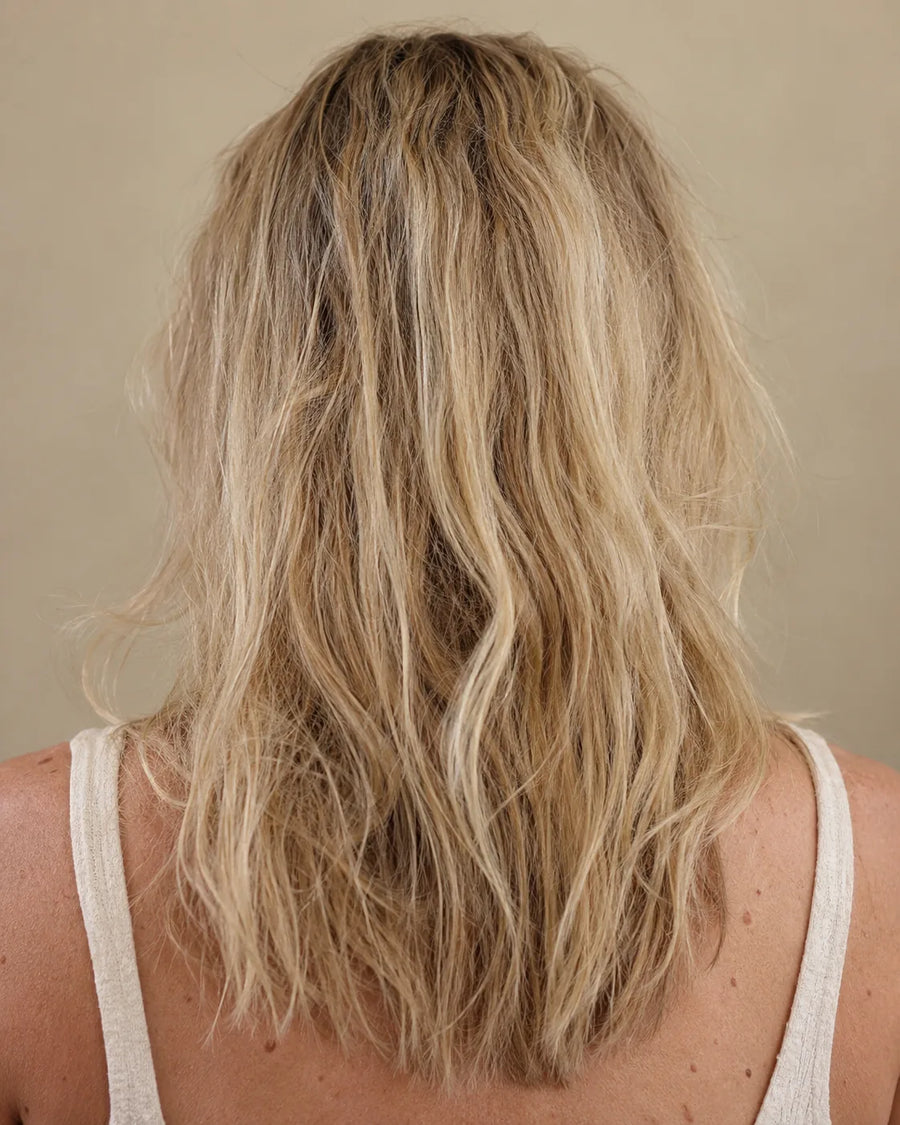
Damaged hair + repair

Shop Repair+ Damage Care

Repair starts with knowing what happened.

Professional care for hair affected by lightening, colour, heat, chemical services and breakage — organized by what happened to the hair and what kind of support it actually needs.

Give the hairwhat it actually needs.

View products

The question to ask first

Dry,
damaged — or both?

More moisture isn't
always more repair.

Dry

The hair mainly feels thirsty.

Dryness is usually a feel problem — the hair still stretches and bounces back, it just wants softness, slip and moisture.

The hair may be showing:

  • softness
  • conditioning
  • moisture
  • slip
  • manageability

A starting point: Conditioner · Hair Masks · Leave-In Care

Shop for dry hair
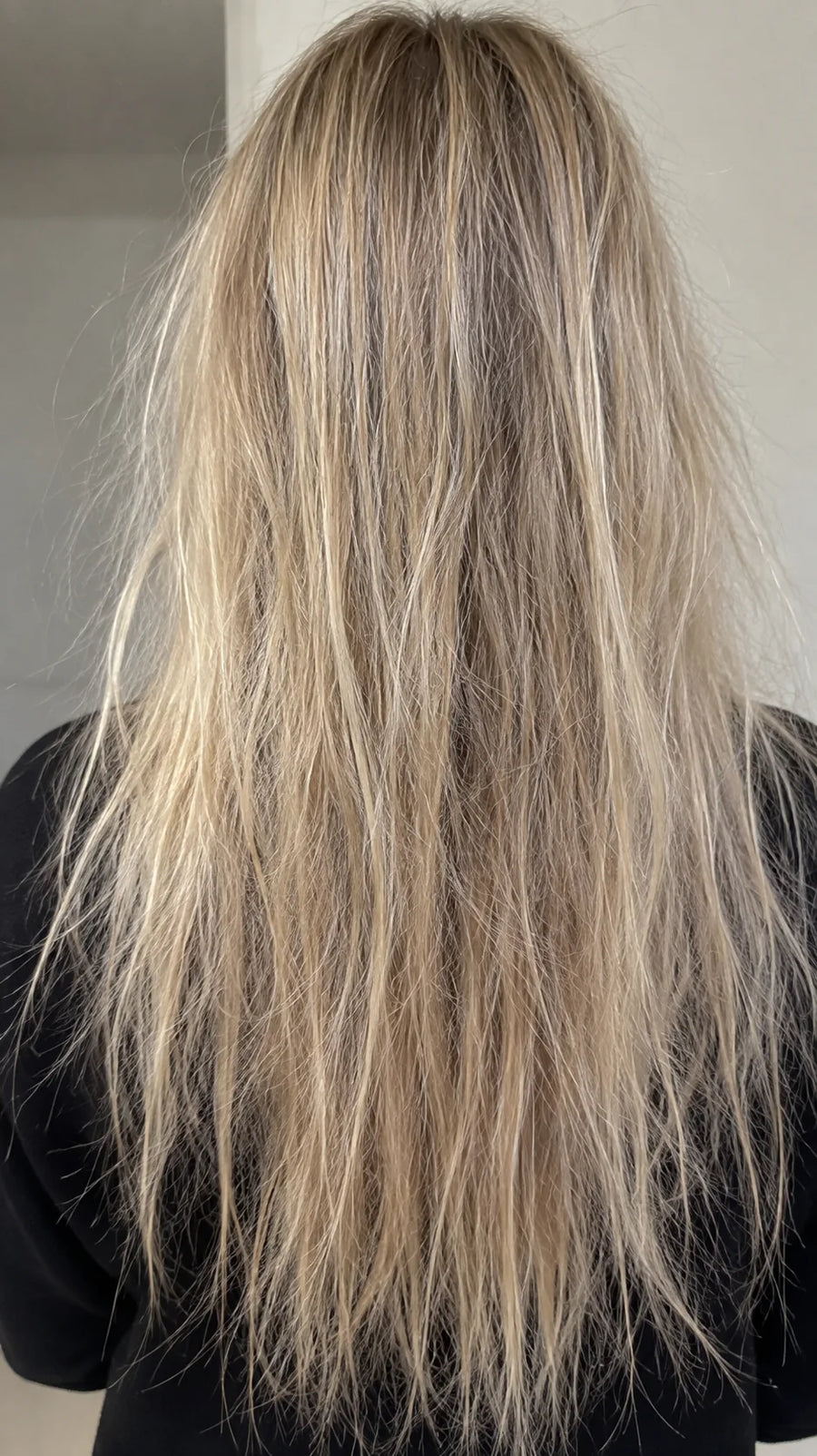
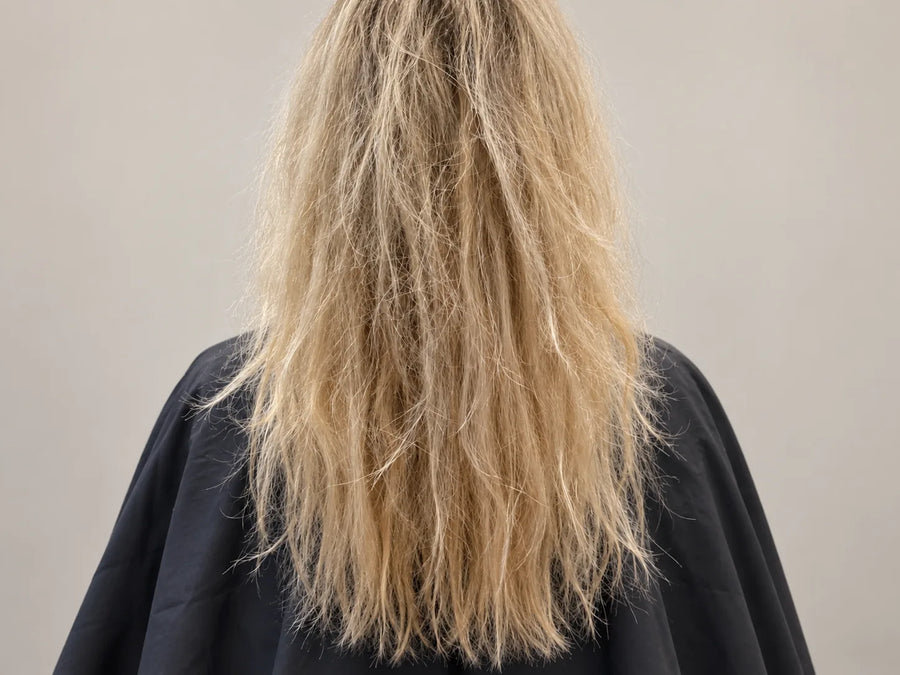
Damaged

The hair has been through something.

Damage tends to show as structure problems — snapping, fragility, loss of strength after lightening, colour, heat or chemical services.

The hair may be showing:

  • breakage
  • fragility
  • chemical stress
  • heat stress
  • lightening
  • loss of strength

A starting point: Hair Treatments · Bond Care · Strengthening · Repair-focused care

Shop repair

Both

Very common after lightening.

The hair may need targeted repair plus appropriate conditioning — a repair treatment, then the conditioner or mask, a leave-in, and protection before heat.

The hair may be showing:

  • repair + moisture
  • targeted treatment
  • ongoing conditioning
  • protection

A starting point: Repair treatment + conditioner / mask + leave-in + protection

Shop for both

None of this is a diagnosis — it's a starting point. Dry isn't always damaged, and damaged isn't always dry.

Repair isn't one thing

Bond care,
strengthening
or conditioning?

Bond care isn't all repair. Strengthening isn't bond care. Moisture isn't structural repair, and conditioning isn't permanent repair. Each maker's technology does its own job — the route you take depends on what the hair is actually showing.

Different repair systems.
Different jobs.

Three approaches

K18,
OLAPLEX
or traditional repair care?

Three approaches. Different strengths. Start with how you want repair to fit into your routine — not with which one is 'better'.

K18

K18

A focused repair system.

Best starting point
Customers intentionally shopping for a focused, treatment-led repair system.
Approach
Targeted repair care — the Leave-In Molecular Repair Hair Mask is the centre; the shampoo, conditioner and detox are there to prep and protect between applications, by K18's own description.
Routine breadth
Narrow by design: treatment, prep cleanse, maintenance conditioner, plus HeatBounce and the Hair Oil for styling days.
Treatment role
The treatment is the routine — a 4-minute leave-in step on wash day, as directed.
Everyday care options
Damage Shield shampoo + conditioner, AstroLift for fine hair, the finishing oil.
Moda take
A focused specialist system.
Pro size
Yes — 3 pro-size listings
Shop K18

K18

“I want a focused repair system.”

OLAPLEX

OLAPLEX

Repair integrated throughout the routine.

Best starting point
Customers who want repair-supportive products across multiple routine steps.
Approach
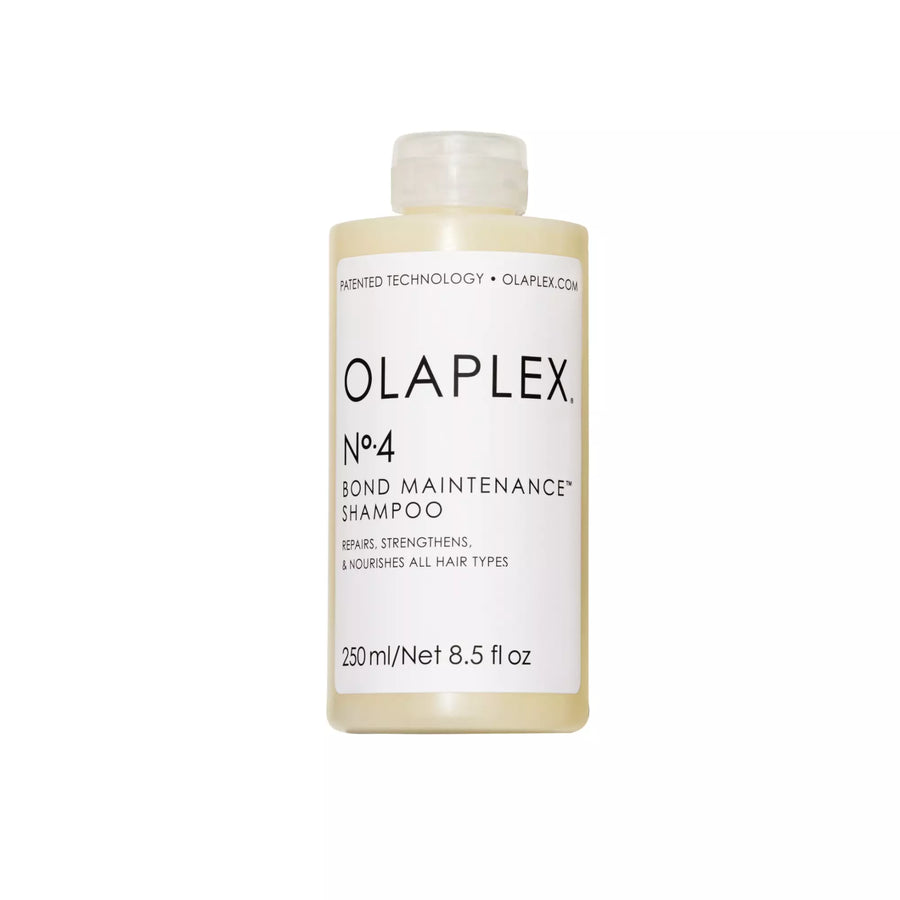
Repair across routine steps — bond-building technology carried through cleansing, conditioning, treatment, leave-in and styling, per the live range.
Routine breadth
Broad: Nº.0 and Nº.3PLUS treatments, Nº.4 / Nº.5 wash systems (plus FINE, CURL and blonde versions), masks, Nº.6 and Nº.9 leave-ins, Nº.7 oil.
Treatment role
Optional weekly step (Nº.0, Nº.3PLUS) on top of an everyday system that already carries the technology.
Everyday care options
Everyday shampoo + conditioner, weekly mask, leave-in and finishing steps — a full wardrobe.
Moda take
A broader repair-care ecosystem.
Pro size
Yes — 8 pro-size listings
Shop OLAPLEX

OLAPLEX

“I want repair integrated throughout my routine.”

Multi-brand repair care

Traditional repair care

Shampoo, conditioner, mask or treatment chosen around your hair.

Best starting point
Customers who want to choose repair shampoo, conditioning, mask, strengthening treatment, leave-in or protection based on hair condition, weight and routine needs.
Approach
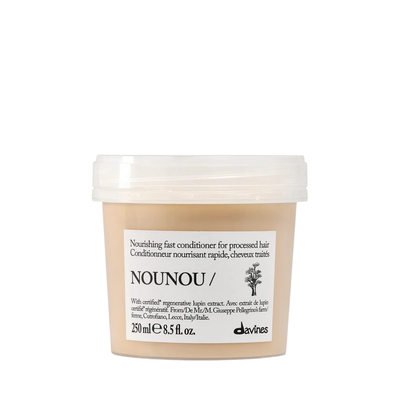
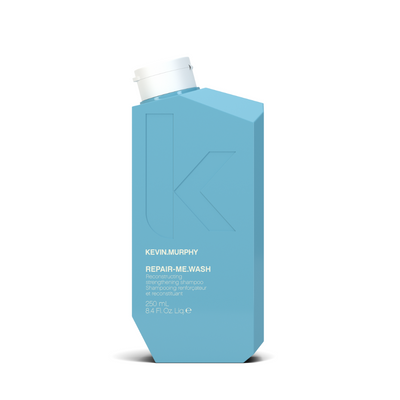
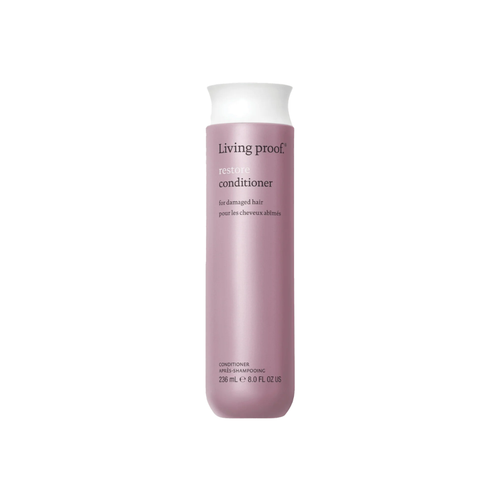
A customised repair routine — Davines NOUNOU and NOURISHING, Kevin Murphy REPAIR-ME, Eufora, EVO Ritual Salvation, Pureology Strength Cure, Living Proof Restore, Rica, Sachajuan and more.
Routine breadth
As wide as the shelf: every step exists in more than one brand, in more than one weight.
Treatment role
Weekly masks and specialist treatments from several makers — protein, keratin, bond and reconstructing formats.
Everyday care options
Repair shampoo and conditioner lines by weight — lightweight for fine hair, rich for coarse — plus leave-ins and oils.
Moda take
The mix-and-match option: choose each step for the hair in front of you.
Pro size
Yes — litre and pro sizes across several brands (see Go Pro Size below)
Shop repair care

Traditional repair care

“I want my repair routine chosen around my hair condition.”

Repair with a reason.

Can I use them together?

Your entire routine does not have to come from one system. Choose products around what your hair actually needs and avoid adding overlapping treatment steps simply because they all say “repair.”

Build my repair routine

When the hair isn't staying intact

Breakage needs more
than softness.

Hair that snaps mid-length, over-stretches when wet or leaves short flyaway pieces is usually asking for structure, not just slip. Breakage through the length is not the same as hair shedding from the scalp — if the concern is shedding, thinning or the scalp itself, that's a Scalp Care question, and no cosmetic product here treats hair loss.

For fine hair

Repair without
the weight.

Damaged doesn't automatically mean rich, and fine doesn't mean the hair escaped damage. Fine hair can use a treatment, a bond product and even an oil — it just needs the lightweight version of each, applied where the hair needs it and kept off the root.

When lightening has asked a lot

Care for the hair
behind the blonde.

Lightening is the single most common reason hair arrives here. Repair the hair. Tone the colour. Two different jobs — and a purple shampoo, toning mask or blonde conditioner isn't automatically the answer when the concern is breakage or damage.

Heat damage

Treat the current condition.Protect future styling.

Treat now

Treat the current condition.

Hair that's already heat-stressed, fragile or rough wants the treatment step first — repair, strengthening and conditioning for what the tools have already done.

Typically:

  • rough, dry-feeling lengths
  • fragility or snapping
  • dullness after styling

Route toward: Hair Treatments · repair masks · repair conditioners

Shop hair treatments

Protect next

Protect future styling.

A repair treatment doesn't replace heat protection, and heat protection doesn't make unlimited heat safe. Before the next blow-dry or iron, the protection step is its own job.

Typically:

  • daily blow-drying
  • flat iron or wand use
  • no protection step yet

Route toward: Heat Protection · leave-ins and oils with a verified heat claim

Shop heat protection

Both?Most heat-styled hair needs both — the treatment on wash day, the protection every time a tool comes out.

Shop the Heat Protection page

Found your routine?

Go Pro Size.

Repeat-use repair shampoos, conditioners, duos and large-format masks from the systems you keep replacing. Every tile is a brand with a live pro-size or refill listing on this page — the exact size (930 ml, 1000 ml, 1064 ml, 473 ml, 500 ml refill), contents, price and pump option are on the product card.

More of what works. For hair that does more.

Shop pro size repair →Shop repair sets + duos →

Holiday repair edit

Give good hair a little backup.

Repair gift sets, treatment sets, duos, limited editions and pro-size gifts from the brands on our shelves — real routines, boxed.

Shop all holiday gifts →

All repair + damage care

Shop all repair + damage care.

180 products

Active filters

Clear all
1 2 3 … 8
Moda Salon Bowmanville stylist and client smiling in the mirror

Some hair needs more than a cart

Repair starts
behind the chair too.

When hair has been heavily lightened, chemically processed or is experiencing significant breakage, the right home products are only part of the picture. Your stylist can help assess what the hair can safely handle next — no one here will promise that a treatment permanently fixes damage, that all damaged hair can be restored, or that hair can always be lightened again.

Repair questions?

A few things worth knowing.

How do I know if my hair is dry or damaged?

Dry hair mostly feels rough or thirsty but still stretches and springs back — it softens when conditioned. Damaged hair tends to show structure problems: snapping, over-stretching when wet, short flyaway pieces, loss of elasticity after lightening, colour, heat or chemical services. Plenty of hair is both, and a stylist can tell you which is doing what.

Can hair be both dry and damaged?

Yes — very commonly after lightening. That hair usually wants targeted repair plus appropriate conditioning: a repair treatment on wash day, then the conditioner or mask, a leave-in and protection before heat. The 'Both' route above builds exactly that.

What's the difference between moisture and repair?

Moisture is how the hair feels — softness, slip, manageability — and it comes from conditioners, masks and leave-ins. Repair products are positioned around the hair's structure: strength, bonds, breakage. More moisture isn't always more repair, and a repair treatment isn't a substitute for conditioning.

What is bond care?

A category of products whose makers position them around a bond-focused or repair technology — OLAPLEX's bond building, K18PEPTIDE™, Amika's The Kure, Davines' Biacidic Bond Complex, Eufora and Living Proof Triple Bond. Each brand describes its own mechanism; we don't flatten them into one claim.

What's the difference between bond care and strengthening?

Bond care is a maker's specific bond technology. Strengthening is a broader positioning — reinforcement, fragility support, breakage reduction — often protein- or keratin-led (MELU, Strength Cure, REPAIR-ME). They can overlap in one product; they aren't the same label.

What's the difference between K18 and OLAPLEX?

Mostly how they fit a routine. K18 is a focused, treatment-led system built around its Leave-In Molecular Repair Hair Mask, with a prep shampoo and maintenance conditioner. OLAPLEX carries its bond-building technology across many steps — treatments, everyday shampoo and conditioner, masks, leave-ins, oil. Neither is universally better; the comparison above walks through the differences without crowning a winner.

Do I have to use one repair brand for my whole routine?

No. Your routine doesn't have to come from one system. Choose each step around what the hair needs, and avoid stacking overlapping treatment steps just because they all say repair.

Can I use K18 and OLAPLEX together?

You can use products from both in a routine — but read each maker's directions, because their treatment steps have specific instructions (K18 is applied to towel-dried hair and left in without conditioner; OLAPLEX treatments are timed and rinsed). Don't double up two treatment steps on the same wash day unless the makers say so.

What's the difference between a hair mask and a repair treatment?

A mask is the deeper conditioning step — softness, moisture, manageability. A repair treatment is the specialist step positioned around structure — bond, strengthening or reconstructing formulas — used as directed. Some products blur the line; the card tells you which job each one is sold for.

What should I use for breakage?

Start from what caused it. Breakage through the length usually points to bond care, strengthening or a targeted treatment, plus a leave-in for slip so wet combing does less damage, and heat protection. If hair is shedding from the scalp, that's a scalp concern — see Scalp Care, not a breakage treatment.

What should I use after bleaching?

The Lightening + bleach route: bond care or a strengthening treatment as its maker directs, conditioning for the porous lengths, a leave-in and heat protection before styling. Toning is a separate job — do it only when the tone needs it.

What should fine damaged hair use?

The lightweight version of each step: repair care whose makers name fine hair, bond-focused treatments that don't rely on richness, conditioners labelled lightweight, light leave-ins and weightless heat protection. Fine hair can use treatments and oils — less of them, and off the root.

Does purple shampoo repair blonde hair?

On its own, no — purple shampoo neutralises warmth; it's a toning product. Some toning shampoos on this page carry maker-stated repair actives, which is why they appear, but the repair is the added ingredient, not the pigment. If the concern is breakage or damage, start with repair, not tone.

What should I use for heat-damaged hair?

Two jobs: treat the current condition (repair treatment, repair mask or conditioner for what the tools have already done) and protect future styling (a heat protectant every time a tool comes out). A repair product doesn't replace heat protection.

Do I still need heat protection if I use repair products?

Yes. Repair treatments work on the hair's current condition; heat protection guards against the next round of heat. And no protectant makes unlimited heat safe — lower settings and fewer passes still matter.

How often should I use a repair treatment?

It depends on the product. Manufacturer instructions vary widely — some are weekly, some every third wash, some overnight, some on the days the hair needs it — so follow the directions on the product you're using rather than a universal schedule.

Can too many repair products make my routine unnecessarily complicated?

Yes. Repair doesn't need six products. Overlapping treatments from different systems can coat, weigh down or simply duplicate each other. Two or three well-chosen steps, used as directed, usually do more than a shelf of them.

Can damaged hair be permanently repaired?

Be careful with anyone who promises that. Hair isn't living tissue, so damage doesn't heal; repair products improve strength, feel and manageability for as long as they're used, and each maker describes its own results. Split ends are trimmed, not mended. The honest goal is stronger, healthier-looking hair going forward and less damage next time.

Can Moda help me build a repair routine?

Yes. Use Ask Moda below and tell us what your hair has been through — lightening, colour, heat, a chemical service, breakage — and what you're noticing most, and a stylist will help separate moisture, repair and protection for your actual hair.

Still wondering about something? Ask Moda

Colour? Bleach? Heat? Breakage?

Tell us what your hair has been through.

Hair snapping after lightening? Ends that feel rough? Fine hair that needs repair without heaviness? Tell us what changed and we'll help separate moisture, repair and protection.