


For fine hair
Conditioning shouldn’t
cost you the volume.
Fine hair still needs softness and detangling. The difference is choosing enough conditioning without leaving the lengths overloaded — never skipping the step.


Professional haircare
Give your hair what it’s missing.
Professional conditioners for moisture, repair, volume, colour care, blonde hair, curls, smoothing and everyday softness — selected to condition without giving your hair more than it can handle.
Enough moisture. Not too much.
Skip to products
Start here
The conditioner guide
Conditioner isn’t simply light or heavy. The right amount depends on your strand thickness, density, dryness, damage and how easily the hair becomes weighed down. A hydrating conditioner can be lightweight; a colour-care one can be rich — level and type are two different questions.
The richest one
isn’t automatically the best one.
 LightweightEnough softness to detangle. Not enough to flatten.Best starting point for:
 BalancedThe middle of the road, on purpose.Best starting point for:
 RichFor lengths that keep asking for more.Best starting point for:
Then choose the job
Three different jobs
Different formulas. Different results. Find the right step for your routine — this page is rinse-out conditioner; masks and leave-ins live on their own pages.
 ConditionerYour regular rinse-out step.Used after shampoo for softness, slip, detangling and everyday conditioning.Shop conditioner →
 Mask / treatmentThe deeper step.For more intensive moisture, repair or targeted care when everyday conditioner isn’t enough.Shop masks + treatments →
 Leave-inThe after-the-shower step.For detangling, conditioning, smoothing and manageability after rinsing.Shop leave-in care →
Know what works?
Found the conditioner you keep replacing? Shop larger bottles, refills and professional-size routines from products you already know work.
More conditioner. Fewer empty bottles.
Shop pro size conditioner →Shop pro size duos →Sustainability meets salon care.
Kevin Murphy
 Larger formats for lasting results.
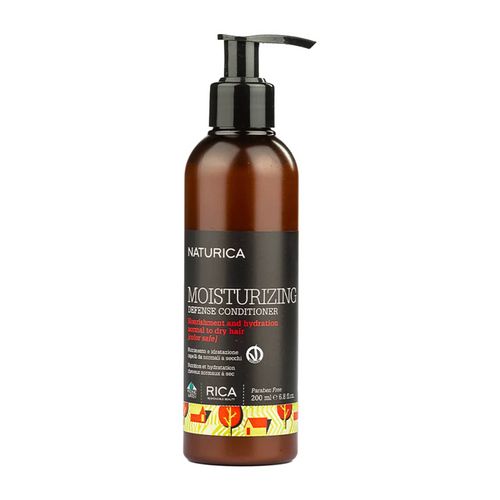
Rica
Larger formats for lasting results.
Rica
 Sicilian care in salon sizes.
Eufora
Sicilian care in salon sizes.
Eufora
 Professional solutions, more of it.
R+CO
Professional solutions, more of it.
R+CO
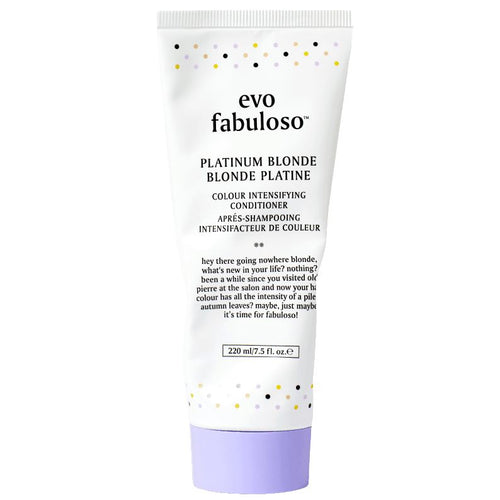
 EVO
EVO
 Bigger size. Same great style.
Sachajuan
Bigger size. Same great style.
Sachajuan
 Minimalism for your routine.
DEPOT®
Minimalism for your routine.
DEPOT®
 K18
K18
 Damage shield, salon-sized.
Amika
Damage shield, salon-sized.
Amika
 More of the good stuff.
Cezanne
More of the good stuff.
Cezanne
 Keratin care, pro sized.
Olaplex
Keratin care, pro sized.
Olaplex
 Bond maintenance, by the litre.
Balmain
Bond maintenance, by the litre.
Balmain
 Pureology
 Colour care by the litre.
Living Proof
Colour care by the litre.
Living Proof
 Science-backed. Salon-sized.
For fine hair
Fine hair still needs softness and detangling. The difference is choosing enough conditioning without leaving the lengths overloaded — never skipping the step.

When lightweight isn’t enough
When lengths stay rough, dry or difficult to detangle even after regular conditioning, a richer formula may make more sense. Common starting points: thick or coarse hair, very dry lengths, high-frizz, dense or heavily processed hair. It conditions the feel of the hair — it doesn’t rebuild it.

For blondes

For curls + texture
Curly and textured hair often benefits from generous conditioning, but curl pattern, density and strand thickness still determine how rich the formula should feel.
The Moda shortcut
A few stylist-selected starting points.
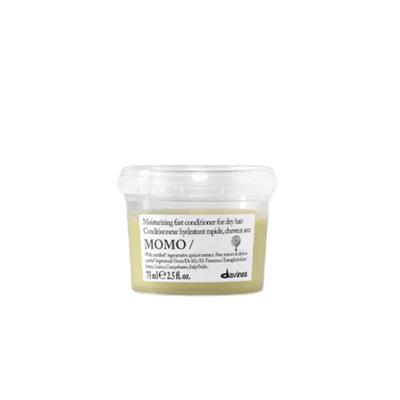 For dry hair
Davines Après-shampoing Momo
Moda Pick
For dry hair
Davines Après-shampoing Momo
Moda Pick
 For fine hair
Kevin Murphy Rinçage d'ange
Moda Pick
For fine hair
Kevin Murphy Rinçage d'ange
Moda Pick
 For damage
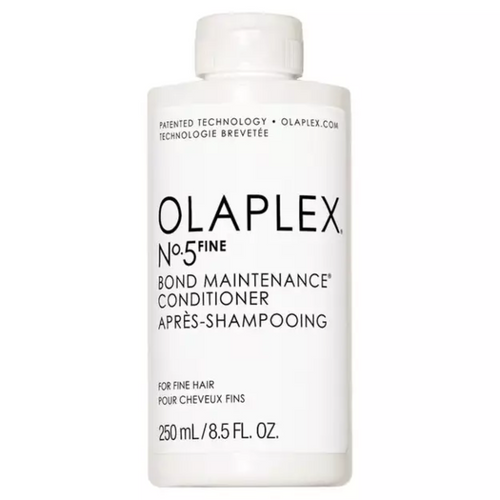
Olaplex OLAPLEX Nº.5 Bond Maintenance Conditioner
Moda Pick
For damage
Olaplex OLAPLEX Nº.5 Bond Maintenance Conditioner
Moda Pick
 For colour
Davines Après-shampoing Minu
Moda Pick
For colour
Davines Après-shampoing Minu
Moda Pick
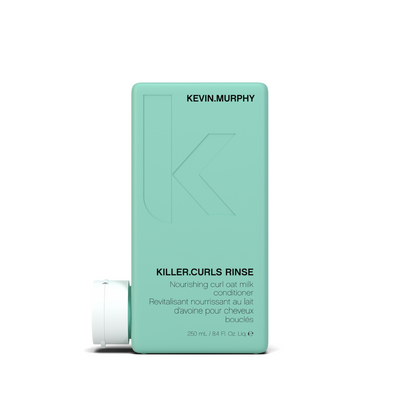 For curls
Kevin Murphy Rinçage Killer Curls
Moda Pick
For curls
Kevin Murphy Rinçage Killer Curls
Moda Pick
 For everyday
EVO Après-shampoing Evo pour personnes normales
Moda Pick
For everyday
EVO Après-shampoing Evo pour personnes normales
Moda Pick

Looking for the other half?
Already found your conditioner? Pair it with the matching cleanser — every conditioner card links to it — or shop shampoo by the same hair need.
Conditioner questions?
Two questions. First, what does your hair need most — moisture, repair, volume, colour care, toning, curl definition or smoothing? That’s the conditioner type. Second, how much conditioning can your hair handle before it feels heavy? That’s the conditioning level: Lightweight, Balanced or Rich. The filters above combine both, plus your hair type. If nothing jumps out, a Balanced everyday conditioner is a sensible place to start.
For most hair, yes — shampoo lifts the cuticle and removes oil, and conditioner smooths it back down so hair detangles and feels soft. Fine hair doesn’t need to skip the step; it needs a lighter one, applied through the lengths rather than the roots. Very short hair or some scalp-focused routines may be the exception — follow how your hair feels.
A conditioner is the everyday rinse-out step: softness, slip and detangling in a minute or two. A mask is the deeper, less frequent step with more concentrated conditioning or repair agents, usually left on longer. If your everyday conditioner isn’t enough, add a mask once a week or so rather than switching to the richest conditioner every wash — masks and treatments have their own page.
Rinse-out conditioner works in the shower and is rinsed away; it’s what this page is about. Leave-in conditioner is applied to towel-dried hair and stays in — for extra detangling, smoothing, heat prep and manageability through the day. Many routines use both; a leave-in doesn’t replace the rinse-out step for most hair. Leave-ins live on their own page.
Usually the formula is richer than the hair can carry, or it’s going on at the root. Try a Lightweight conditioner, apply from the ears down, leave it briefly and rinse thoroughly. Fine hair still needs conditioning — the goal is the right amount, not none.
Start with the Hydrating type, then pick the level: Balanced if your hair is fine-to-medium or gets weighed down easily, Rich if the lengths are coarse, very dry or still feel rough after conditioning. Colour-treated dry hair can use either — check the Colour filter.
A Repairing conditioner, chosen at the level your hair can handle: Balanced for most damaged hair, Lightweight if it’s fine and lightened, Rich if it’s coarse and heavily processed. Repair conditioners improve how the hair feels and behaves; for structural support add a bond-building treatment from the masks and treatments page.
A Curl or Hydrating conditioner with plenty of slip, at a level that matches your density and strand thickness rather than your curl pattern alone. Waves and finer curls usually do better Lightweight or Balanced; drier, denser, coarser texture often wants Rich. Curly hair is not automatically a Rich-only category.
Not necessarily. Toning conditioners add a second layer of pigment and can be useful when brass returns quickly, but doubling up can over-tone. Many blondes pair a toning shampoo with a hydrating or repair conditioner, or the reverse. Follow each product’s directions — pigment strength varies by brand.
A conditioner with enough pigment to refresh, deepen or shift a shade between salon visits — coppers, reds, browns, warm blondes and platinum tones. It’s a different job from a purple toner, which only neutralises warmth. Colour-depositing products are filtered separately here so you don’t pick one up expecting a plain conditioner.
Most traditional conditioners are made for mid-lengths and ends, where hair is oldest and driest, and applying them at the root can make some hair feel heavy or oily faster. A few scalp-specific conditioners are designed differently. Follow the product directions and your own hair and scalp needs.
You can — the question is where and how much. A small amount through the ends of fine hair that are genuinely dry or damaged is fine; the same product from root to tip usually isn’t. If you find yourself using less and less, a Balanced or Lightweight formula will probably suit you better.
Yes — litre and professional-size bottles across most of our haircare brands, plus shampoo + conditioner pro duos. Use the Pro size quick filter above or the Size filter in the sidebar. Exact sizes vary by brand (1000ml, 990ml, 938ml, 1064ml); each card shows its own.
Yes, and it’s our favourite part. Use Ask Moda below and tell us what your hair does after conditioning — flat, still dry, too heavy, frizzy — and a real stylist will narrow it down.
Still wondering about something? Ask Moda
Too light? Too heavy? Not sure?
Tell us what your hair feels like.
Fine hair that gets flat? Ends that still feel dry after conditioning? Curls that need more slip? Tell us what your hair is doing and we’ll help narrow it down.


