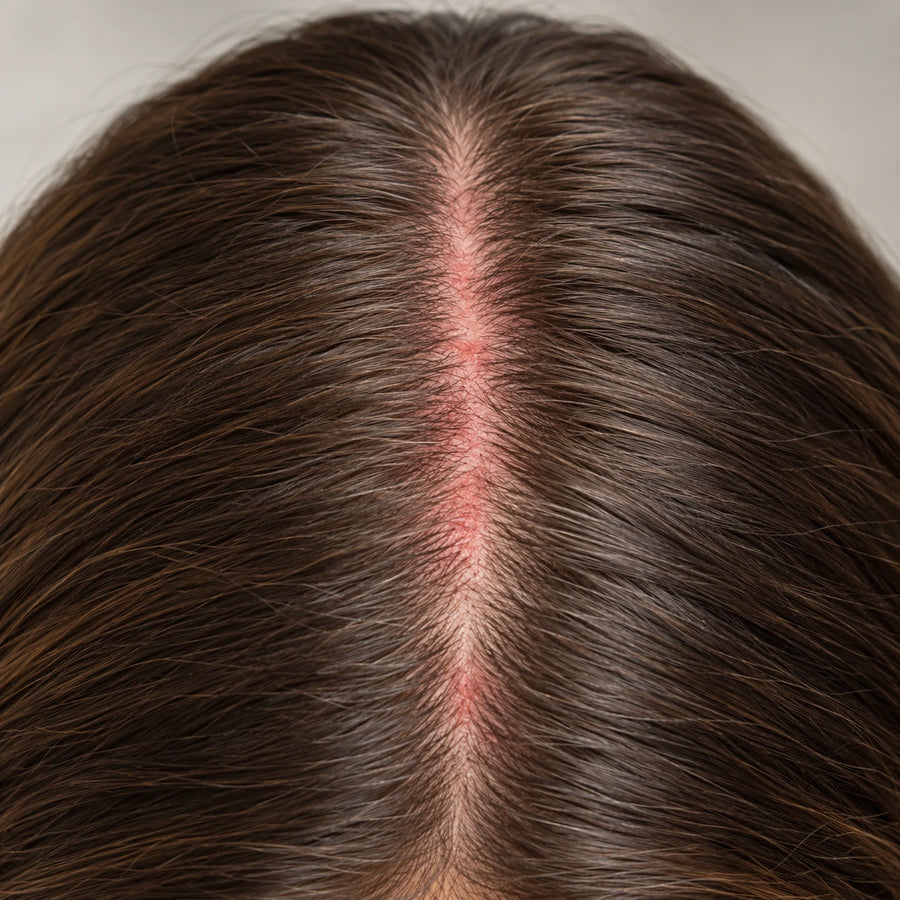

Scalp care at Moda

Shop Scalp Care

Start at the root.

Professional scalp shampoos, exfoliators, treatments and targeted care for oil, buildup, dryness, visible flakes, sensitivity and fuller-looking hair — made easier to shop by what your scalp is actually doing.

Healthy-looking hairstarts with the scalp.

Skip to products

They can feel similar

Oily —
or just overloaded?

Both leave roots looking flat and feeling unfresh. Oil is the scalp producing more than the wash removes; buildup is everything else sitting on top of it. The first wants a balancing cleanse, the second wants a reset.

Oil

Roots that get greasy again fast.

Roots repeatedly become greasy because scalp oil (sebum) is accumulating — often within a day of washing.

Signs to look for:

  • roots look flat or shiny by the next morning
  • fine hair that clumps at the root
  • feels better right after washing, then repeats

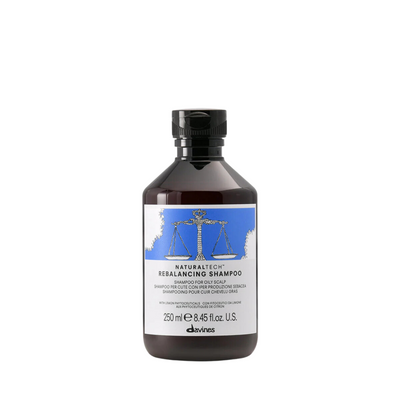
Start with: balancing cleansing — a scalp shampoo that cleanses excess oil without stripping.

Shop balancing

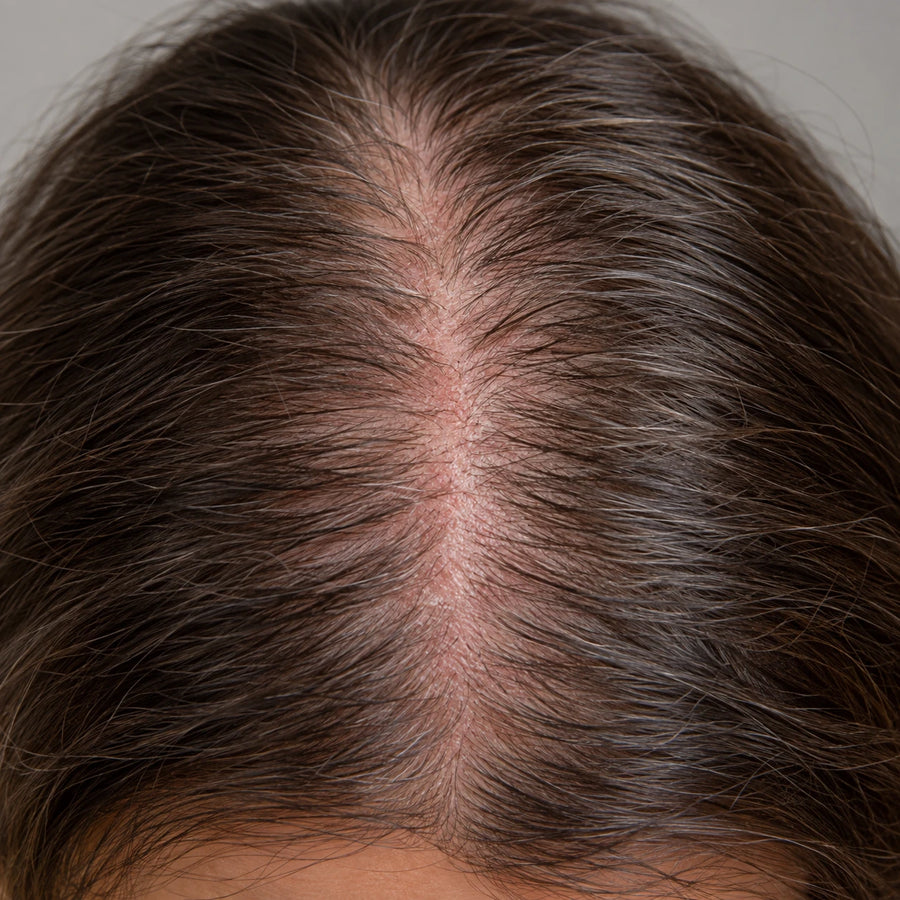
Buildup

Coated, not just oily.

The scalp or roots feel coated from dry shampoo, styling products, sebum and residue — and a normal wash doesn’t clear it.

Signs to look for:

  • a film or grit you can feel at the root
  • heavy use of dry shampoo or styling product
  • shampoo that doesn’t lather on the first go

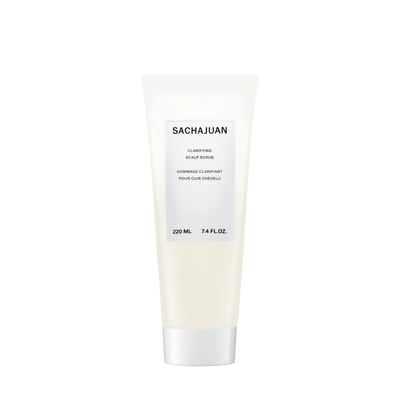
Start with: clarify / exfoliate — a deeper cleanse or a scalp scrub to help remove buildup, then back to your regular shampoo.

Shop clarifying

You can have both.Oily roots and product buildup often travel together. Reset with a clarifying wash or scrub, then keep a balancing scalp shampoo as the everyday step.

Shop oily + buildup

Not every flake means the same thing

Dry,
flaky or uncomfortable?

Dryness, visible flakes and sensitivity get lumped together, but they point to different routines. Start with what you can observe.

Dry-feeling

Tight, not flaky.

The scalp feels dry, tight or itchy-ish after washing, often with dry lengths to match.

Look for:

  • tightness after shampooing
  • fine, dry flakes that look like dust
  • worse in winter or with hot water

Choose: gentler cleansing, comfort, hydration where the formula supports it, and less stripping formulas.

Shop dry scalp

Visibly flaky

Flakes you can see.

Larger or more persistent flakes that show on the shoulders or at the part line.

Look for:

  • flakes visible on dark clothing
  • flaking that returns quickly after washing
  • oily-feeling scalp alongside flakes

Choose: products explicitly formulated and labelled for flaky or dandruff-prone scalp, where the current approved claims support it.

Shop flaky-scalp care

Sensitive

Reactive and uncomfortable-feeling.

A scalp that feels easily irritated by fragrance, heat, colour services or a change of product.

Look for:

  • tingling or discomfort after washing
  • reacts to new products
  • feels calmer with fewer, gentler steps

Choose: gentler, comfort-focused, calming-feeling sensitive-scalp formulas — and fewer steps.

Shop sensitive scalp

Persistent itching, pain, inflammation, sores, or sudden or unusual shedding should be discussed with a qualified healthcare professional. Salon and product advice is cosmetic, not a diagnosis.

When the concern is fullness

Scalp care and density
aren’t the same thing.

Some products focus on cleansing, balancing and caring for the scalp. Others are specifically positioned around fragile, fine or thinning-looking hair and the appearance of density. Both start at the root — they just answer different questions.

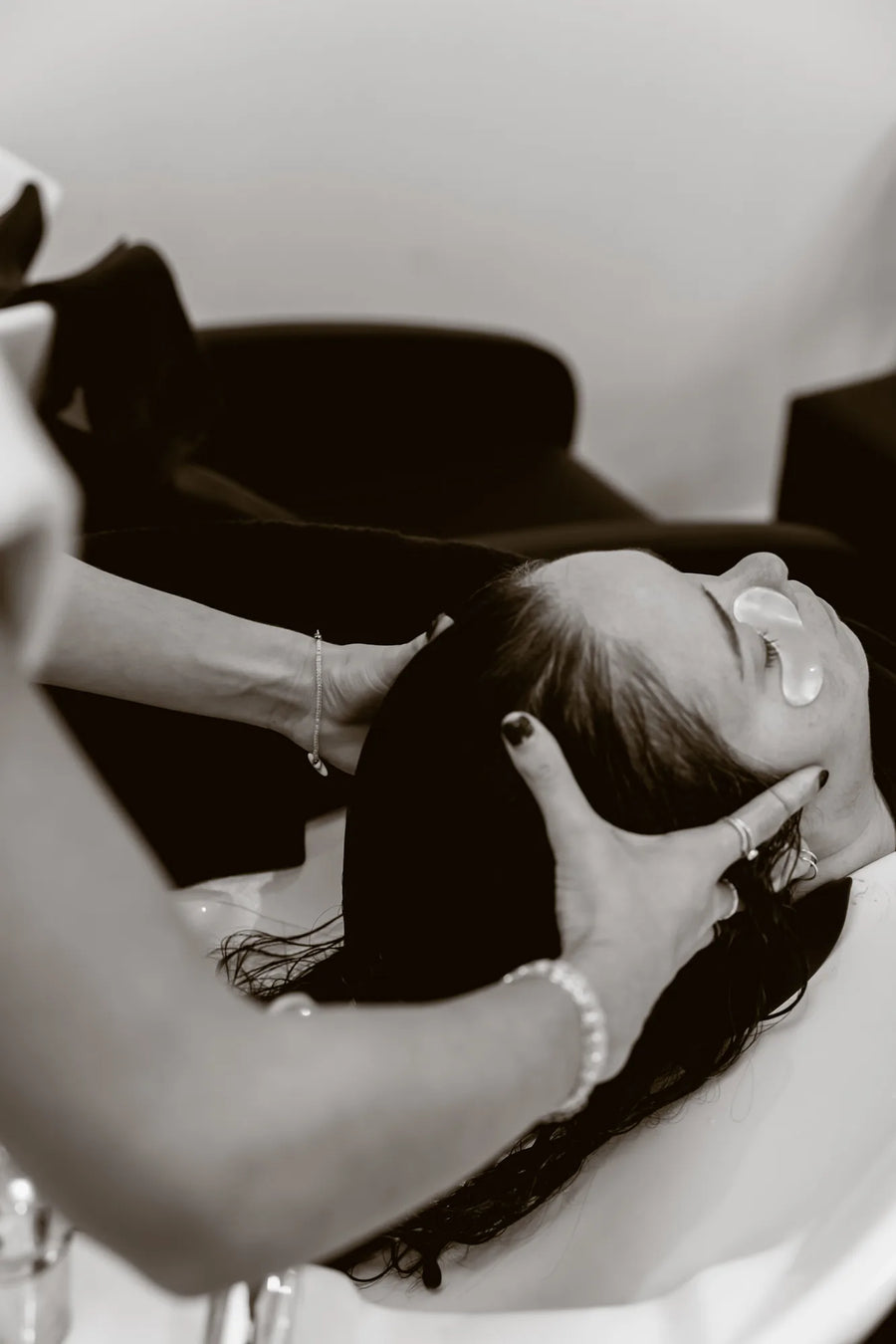
Moda Salon Bowmanville shampoo scalp massage, black and white

Not sure what you’re looking at?

See your scalp
differently.

Sometimes it is difficult to tell whether you’re dealing with dryness, buildup, excess oil or something that needs a different kind of attention. Our salon scalp experience lets us take a closer look — camera scalp analysis and professional scalp-care protocols — and recommend a routine based on what we can observe. Salon scalp analysis is observational and cosmetic; it is not a medical diagnosis.

All scalp care

Shop all scalp care.

89 products

Active filters

Clear all
1 2 3 4

Scalp care questions?

A few things worth knowing.

How do I choose a scalp product?

Start with what you can observe, not with an ingredient list. Oily roots, buildup, a dry or tight feeling, visible flakes, sensitivity, or hair that looks less full — that’s your scalp need, and it’s the first filter above. Then pick the step: a scalp shampoo does most of the work for most people; add a leave-on treatment, an occasional exfoliator or a tool only when your scalp asks for it.

What’s the difference between an oily scalp and buildup?

Oil is the scalp producing more sebum than the wash removes, so roots look flat and shiny again within a day. Buildup is everything else sitting on top — dry shampoo, styling product, residue — so the roots feel coated and shampoo struggles to lather. Oil wants a balancing scalp shampoo every wash; buildup wants a clarifying wash or scalp scrub now and then. Many people have both.

What’s the difference between a dry scalp and visible flakes?

A dry-feeling scalp feels tight after washing and may shed small, dust-like flakes; it usually wants gentler cleansing and comfort. Visible flakes are larger or more persistent and often come with an oily-feeling scalp; products explicitly formulated for flaky or dandruff-prone scalps are the better starting point, where their approved claims support it. If flaking is persistent, painful or inflamed, that’s a conversation for a healthcare professional rather than a shampoo.

Do I need a scalp scrub?

Only if you have buildup — from dry shampoo, styling products, sebum or hard water — that a normal wash isn’t clearing, or if you enjoy the reset. Most scalps don’t need one every wash, and a sensitive scalp may prefer a gentle clarifying shampoo over physical exfoliation. Follow the directions on the specific product.

How often should I exfoliate my scalp?

There isn’t one universal answer; it depends on the product, your scalp and how much buildup you accumulate. The directions on each scrub or exfoliating shampoo are the guide — many suggest weekly to every couple of weeks — and your scalp’s comfort is the limit. If it feels tight or tender afterwards, you’re doing it too often.

What’s the difference between a scalp shampoo and a clarifying shampoo?

A scalp shampoo is built around the scalp’s condition — oil, dryness, sensitivity, flakes — and is designed for regular use. A clarifying shampoo is a deeper cleanse whose main job is removing buildup from hair and roots, usually used occasionally and followed by your normal routine. Some products do both; the card tells you which step it belongs to.

Should I use a scalp treatment before or after shampoo?

It depends on the product. Most leave-on serums, lotions and tonics go on a clean, towel-dried scalp after washing and stay in. Pre-shampoo treatments and some exfoliators go on dry or damp scalp before you wash and are rinsed out. Check the directions; every product page at Moda lists them.

Can I use a scalp serum every day?

Many leave-on scalp serums are designed for daily use, and some density-focused treatments specifically ask for consistent daily application over weeks. Others are two or three times a week. Follow the specific product’s directions rather than a general rule, and stop if your scalp feels uncomfortable.

Do I need a scalp brush?

No — but it can help. A scalp brush or massager helps distribute shampoo and scrubs, and many people find the massage relaxing. It doesn’t replace a cleansing product and it isn’t a treatment on its own. Use gentle pressure and follow the product you’re using it with.

What should I use if my roots get oily quickly?

Start with a balancing scalp shampoo as your everyday wash, applied and massaged at the scalp rather than the lengths. If roots also feel coated, add an occasional clarifying wash or scrub to reset. Keep conditioner off the roots, and consider a lightweight between-wash scalp treatment if the product directions support it.

What if my scalp feels dry but my hair gets oily?

Common, and not a contradiction — the scalp can feel tight while still producing oil, often because the wash is too stripping. Try a gentler scalp shampoo, cooler water, and a comfort-focused leave-on treatment for the scalp, while keeping heavy conditioners and oils on the lengths only. If discomfort persists, a scalp consultation can help narrow it down.

Which products are for fine or thinning-looking hair?

Use the Density + fullness pathway. It gathers scalp shampoos, leave-on treatments and systems that are explicitly positioned around fine, fragile or thinning-looking hair and the appearance of fuller, thicker-looking hair. They’re cosmetic products and work best used consistently as a routine.

Can scalp products regrow hair?

Cosmetic scalp and density products may support scalp condition or the appearance of fuller, thicker-looking hair, depending on their approved claims. They are not a substitute for medical assessment of sudden, unexplained or significant hair loss — if that’s what you’re seeing, please speak with a qualified healthcare professional.

What should I do if my scalp is very itchy or painful?

Persistent itching, pain, inflammation, sores or sudden, unusual shedding should be discussed with a qualified healthcare professional. Our products and salon scalp analysis are cosmetic and observational, not a diagnosis. In the meantime, keep the routine gentle: fewer products, a sensitive-scalp shampoo, no exfoliation.

Can Moda help me choose?

Yes. Use Ask Moda below and tell us what you’re noticing — greasy by day two, flakes on dark tops, tight after washing, hair that looks less full — and a stylist will narrow the shelf. If it’s hard to tell what’s going on, our salon scalp experience takes a closer look and recommends a routine based on what we can observe.

Still wondering about something? Ask Moda

Still not sure?

Tell us what your scalp is doing.

Oily roots? Buildup? Dry or uncomfortable-feeling scalp? Visible flakes? Fine hair that feels less full than it used to? Tell us what you’re noticing and we’ll help narrow the shelf — or suggest a salon scalp consultation when that makes more sense.