


Need Lightweight Hydration After Sun Exposure?
Spending time outdoors is enjoyable, but prolonged sun exposure can leave skin feeling tight, warm, and dehydrated. UV rays reduce the skin’s natural moisture levels and weaken its protective barrier. Choosing the right after-sun care matters, especially if your skin feels sensitive or congested after being outdoors. Many people ask, “Need Lightweight Hydration After Sun Exposure?” The answer often depends on selecting products and routines that soothe and hydrate without feeling heavy.
What Sun Exposure Does to Your Skin
Sun exposure triggers several changes in the skin. Understanding these effects helps you choose suitable hydration methods.
Moisture Loss and Barrier Damage
UV radiation causes water to evaporate from the skin more quickly. This process leads to dryness and weakens the skin barrier, making it harder for skin to retain moisture. When the barrier is compromised, irritation and redness become more common.
Increased Sensitivity and Heat
After sun exposure, skin temperature rises and inflammation can occur. This is why skin often feels warm or looks flushed. Heavy creams may trap heat, which can worsen discomfort instead of relieving it.
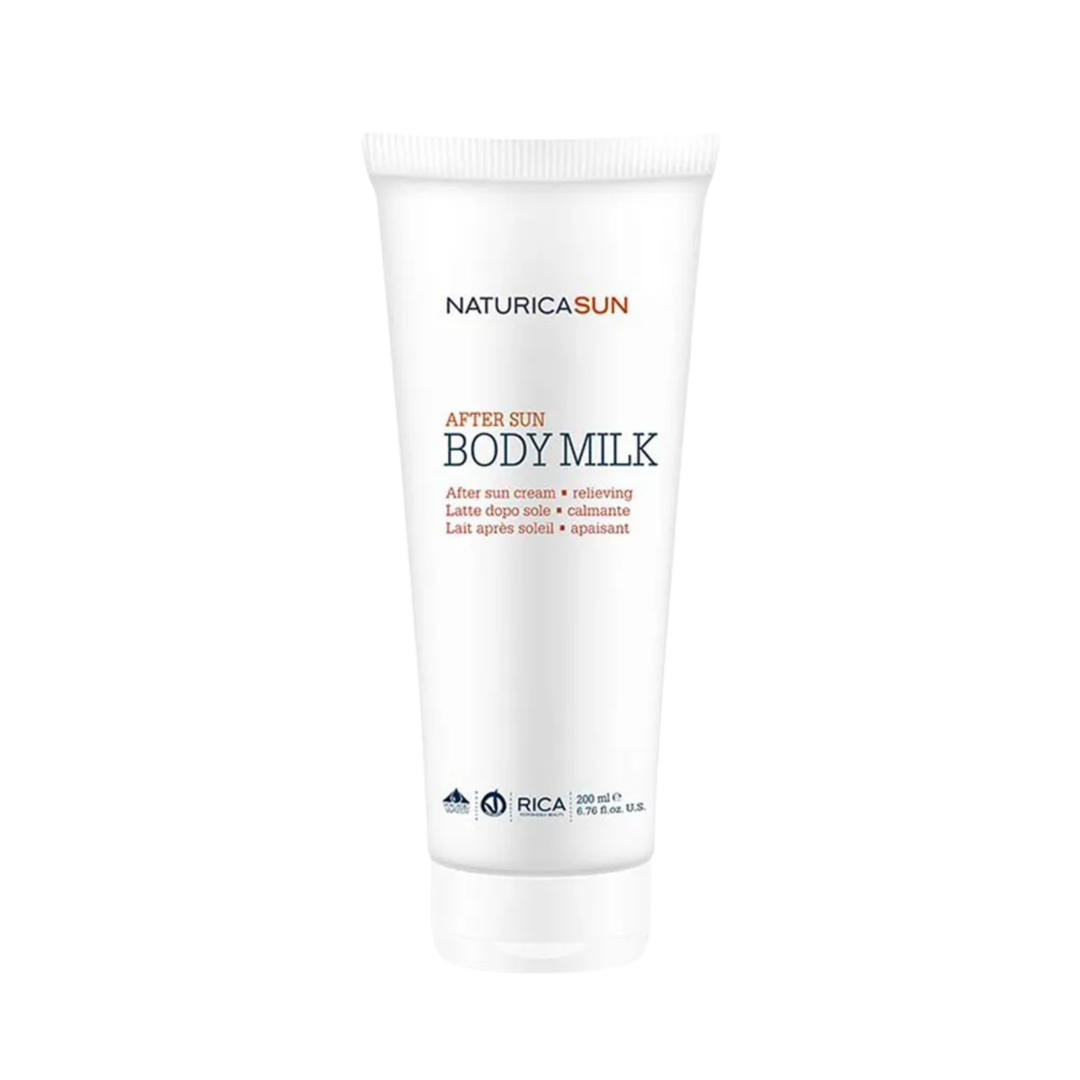
Why Lightweight Hydration Is Better After Sun Exposure
After being in the sun, skin needs moisture but also needs to breathe. Lightweight hydration focuses on replenishing water levels without adding excess oils or occlusive ingredients.
Fast Absorption Without Residue
Lightweight formulas absorb quickly into the skin, delivering hydration where it is needed. This reduces the chance of clogged pores, especially important for those with combination or oily skin types.
Comfort for Sensitive Skin
Sun-exposed skin is often reactive. Using lighter textures reduces friction during application and avoids the heavy feeling that can increase irritation.
If you find yourself thinking, Need Lightweight Hydration After Sun Exposure?, gel-based or fluid moisturizers are usually a suitable starting point.
Key Ingredients That Support Sun-Exposed Skin
Not all hydrating products work the same way. Ingredients play a crucial role in how skin recovers after sun exposure.
Humectants for Water Retention
Ingredients such as glycerin and hyaluronic acid attract water into the skin. They help restore hydration levels without leaving a greasy layer behind.
Soothing Botanical Extracts
Aloe vera, cucumber extract, and chamomile are commonly used to calm skin after sun exposure. These ingredients help reduce redness and support skin comfort.
Barrier-Supporting Components
Lightweight formulations can still include ceramides or panthenol. These ingredients help repair the skin barrier while maintaining a breathable texture.
How to Build an After-Sun Hydration Routine
A consistent routine ensures your skin recovers efficiently after sun exposure.
Step 1 – Gentle Cleansing
Start with a mild, fragrance-free cleanser to remove sunscreen, sweat, and impurities. Avoid exfoliating cleansers immediately after sun exposure, as they can increase irritation.
Step 2 – Hydrating Toner or Mist
A hydrating toner or facial mist adds an extra layer of moisture and prepares the skin for better absorption of the moisturizer. Choose alcohol-free formulas to prevent further dryness.
Step 3 – Apply Lightweight Moisturizer
Use a lightweight moisturizer while the skin is still slightly damp. This helps lock in hydration without feeling heavy. Gel or lotion textures are ideal at this stage.
Step 4 – Optional Cooling Products
If skin feels warm, a cooling gel or soothing serum can provide comfort. Keep products at room temperature; extreme cold can shock sensitive skin.
Common Mistakes to Avoid After Sun Exposure
Even with good intentions, some habits can delay skin recovery.
Using Heavy Occlusive Creams Immediately
While richer creams have their place, applying them too soon after sun exposure can trap heat. This may increase redness or discomfort.
Skipping Hydration Because of Oily Skin
Oily skin still loses water after sun exposure. Lightweight hydration helps balance moisture levels without increasing oiliness.
Ignoring Continued Sun Protection
After-sun care does not replace sun protection. Using sunscreen consistently prevents further moisture loss and supports skin health over time.
Choosing the Right Texture for Your Skin Type
Skin type influences how products feel and perform.
-
Dry skin: Lightweight lotions layered with hydrating serums work well.
-
Oily or combination skin: Gel-based moisturizers provide hydration without shine.
-
Sensitive skin: Minimal-ingredient formulas reduce the risk of irritation.
Listening to how your skin responds is essential. If your skin feels calmer and comfortable, your hydration approach is likely effective.
Final Thoughts on Post-Sun Skin Care
Sun exposure is part of everyday life, but proper after-sun care helps maintain skin comfort and long-term health. When asking yourself, Need Lightweight Hydration After Sun Exposure?, remember that hydration does not have to be heavy to be effective. Lightweight products replenish moisture, support barrier repair, and reduce discomfort without overwhelming the skin.
By choosing appropriate ingredients, textures, and routines, you can help your skin recover naturally and stay balanced after time in the sun.