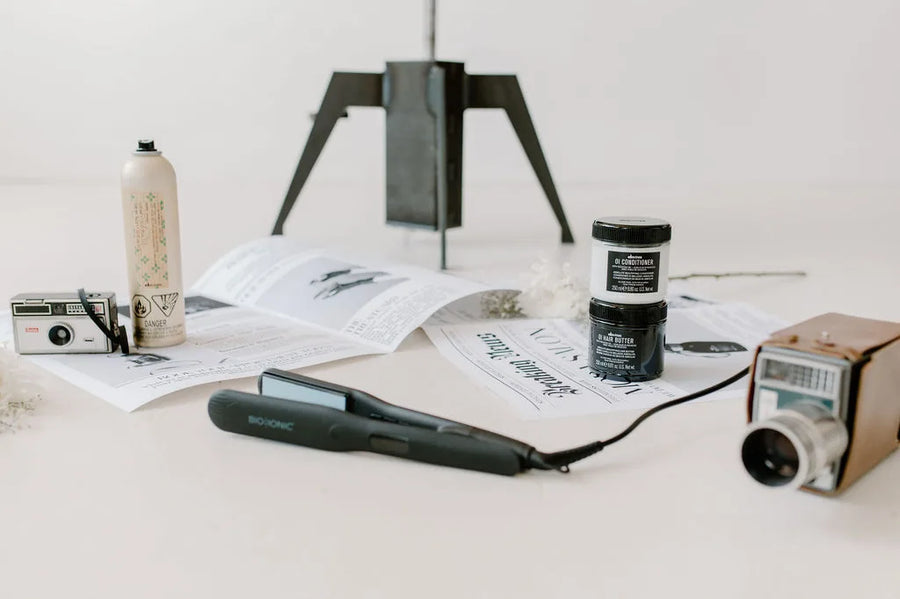
Before the heat

Shop Heat Protection

Protect first. Then style.

Professional heat protection for blow-drying, flat irons, curling irons and everyday styling β€” from lightweight sprays to smoothing creams, oils and multitasking leave-ins.

Heat is part of the routine. Protection should be too.

View products
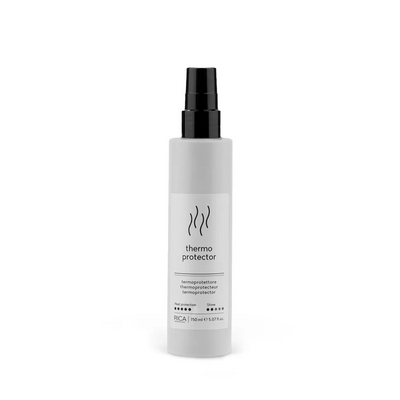
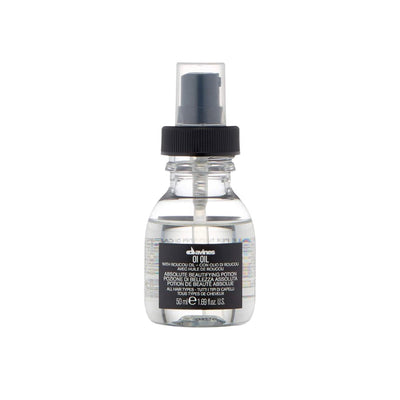
Eufora Thermal Defense Prep | Heat Protection + Frizz Control Prep SprayKevin Murphy Heated Defense | Leave-In Heat Protectant up to 232CK18 HeatBounceβ„’ Heat Protectant | 450Β°F Defense + Smoothness available at Moda SalonRICA Thermoprotector Styling Spray | Heat Protection up to 232Β°CDavines OI All In One Milk - Multi-Function Leave-In for Detangling Shine and Heat ProtectionDavines OI Oil | Roucou Oil Finishing Oil for Shine, Frizz Control and Heat Protection

Format is preference, not strength

The claim comes from the formula. The texture is how you like to work.

A spray isn't automatically lighter, a cream isn't automatically stronger and an oil isn't automatically better at heat β€” every product's protection is its own claim. Pick the texture that suits your hair and routine.

Shop sprays →
Moda Salon Kevin Murphy styling sprays
Moda Salon blonde balayage hair detail

For fine hair

Protect without
flattening it.

Fine hair can absolutely use heat protection. The goal is choosing the right formula, placement and amount without overloading the style β€” and the amount is always the product's own directions, not a universal number.

Moda Salon red hair waves, back view

When the hair has already been through it

Protect what you're
trying to preserve.

Support damaged, colour-treated or stressed hair with heat protection that also cares. None of it reverses existing damage β€” it helps protect against heat stress and supports the hair during styling, with repair-focused care where the product verifies it.

Moda Salon stylist curling red hair

Flat iron? Curling iron?

Dry-hair protection
matters too.

A product being a heat protectant does not automatically mean its directions say to apply it directly to dry hair before a hot tool. Check the application instructions and choose accordingly.

Two things worth knowing

The number β€”
and the technique.

Good technique
goes a long way.

About the number

What does β€œup to 450Β°F” mean?

Some manufacturers test or specify thermal protection up to a particular temperature. Where that's verified, we show the tested maximum on the product card. A higher listed temperature does not automatically mean the product is better for every hair type or styling routine β€” and a product with no number isn't necessarily weaker; its maker simply hasn't published one.

Worth knowing:

  • a stated maximum shows on the card as β€œup to 230Β°C”
  • no number on the card = no verified figure, not no protection
  • we never convert a vague claim into a temperature

Choose: the product that fits your hair and your tool β€” and the tool's own setting, which matters at least as much.

Shop verified maximums

Don't skip this part

Heat protectant isn't permission to use unlimited heat.

Heat protection helps reduce heat stress during styling, but technique, tool settings and styling frequency still matter. There isn't one right temperature for every head of hair β€” the tool's guidance, your stylist and how your hair responds decide that.

Worth knowing:

  • lower settings on fine or fragile hair
  • fewer passes rather than more heat
  • quality tools with real temperature control

Choose: protection first, then the lowest setting that gets the result.

Shop heat protection

All heat protection

Shop all heat protection.

77 products

Active filters

Clear all
1 2 3 4

Heat protection questions?

A few things worth knowing.

Do I really need heat protectant?

If you put a dryer, iron or wand on your hair, yes. Heat protection helps reduce heat stress during styling β€” it doesn't make heat harmless, but skipping it means the hair takes the full hit every time. Pair it with sensible tool settings and technique.

Do I need heat protection when blow-drying?

Yes. A blow-dryer is heat, and it's usually the heat people use most often. Choose a product whose directions are for damp hair before drying β€” many leave-ins, primers, foams and blow-dry creams already carry a verified claim, so it doesn't have to be an extra step.

Do I need it before a flat iron?

Yes β€” and this is where the directions matter most. Some products go on damp hair and stay protective through the iron later; only some are directed for dry hair immediately before a flat iron. Use the Flat iron pathway and check the application on the card.

Do I need it before a curling iron or wand?

Yes. Same logic as a flat iron: check whether the product is meant for damp hair before drying or for dry hair before the tool. The Curling iron / wand pathway shows products whose directions name it.

Can I use the same heat protectant for blow-drying and hot tools?

Often, but not automatically. We mark Multi-tool only where the manufacturer's directions cover more than one heat-styling step. If a product is directed for damp hair only, use a separate dry-hair protectant before the iron, or choose a verified multi-tool product.

Should heat protectant go on damp or dry hair?

It depends entirely on the product's directions, which is why every card here shows Damp, Dry or Damp or dry. Most protection is applied to damp hair before the dryer; a smaller number are directed for dry hair before hot tools; a few genuinely support both.

What's the difference between heat protectant and blow-dry primer?

A dedicated heat protectant's main job is the thermal barrier. A blow-dry primer is a prep product β€” often with volume, smoothing or anti-humidity built in β€” that may also carry a verified heat-protection claim. If it does, it's on this page; if it doesn't, it lives on Styling.

Does leave-in conditioner count as heat protection?

Only if the manufacturer says so. Many leave-ins do carry a verified claim and are on this page as Detangle + Protect or Repair + Protect. A leave-in without a stated heat claim is conditioning, not protection β€” and some brands say so explicitly.

Does hair oil protect against heat?

Some do, with a stated claim and sometimes a tested maximum; many are finishing products with no heat claim at all. We never infer protection from the fact that something is an oil. The oils and serums on this page are the ones whose makers verify it.

Can I layer heat protectant with styling products?

Yes β€” protection first, on damp hair as directed, then styling product, then heat. If you'd rather not layer, look at the multitaskers: detangle, smooth, volume or repair products that carry a verified heat claim.

What heat protectant is best for fine hair?

The one that protects without weight: usually a lightweight spray or mist, or a volume-and-protect product built for fine hair. Apply as directed and keep creams and oils to a minimum at the root. The Fine hair route above is pre-filtered.

What should damaged hair use?

Look at Repair + Protect β€” products with verified repair positioning plus heat protection β€” and pair them with lower tool settings and fewer passes. Heat protection helps guard against further heat stress; it doesn't reverse existing damage.

What does β€œup to 450Β°F” actually mean?

It's the temperature up to which the manufacturer tested or specifies protection. Where verified, it's on the product card. It isn't a promise that hair is unharmed at that setting, and a product without a published number isn't necessarily weaker β€” its maker just hasn't stated one.

Does a higher protection temperature mean a better product?

No. It means the maker tested to a higher setting. What makes a product right for you is the format, the application state, what else it does and how it suits your hair β€” most home tools never need the maximum anyway.

How much heat protectant should I use?

Follow the product's own directions β€” the amount varies with formula, hair length, density and whether it's damp or dry. Even coverage matters more than quantity: section the hair and distribute where the heat will go.

Can Moda help me choose?

Yes. Use Ask Moda below and tell us how you use heat β€” blow-dry, flat iron, wand, or all three β€” plus your hair type, and a stylist will narrow it to the right product and the right application.

Still wondering about something? Ask Moda

Blow-dry? Iron? Wand?

Tell us how you use heat.

Fine hair that gets flat? A smooth blowout? Regular flat-iron styling? Curls finished with a wand? Tell us how you style and we'll help narrow down the right protection.