Shine + gloss

Shop Shine + Gloss

Bring the light back.

Professional care for hair that looks dull, flat, rough or simply needs more polish β€” organized by what is actually getting in the way of the shine.

Healthy-looking shine starts before the finishing oil.

View products
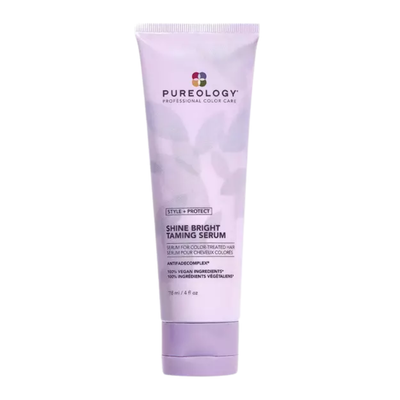
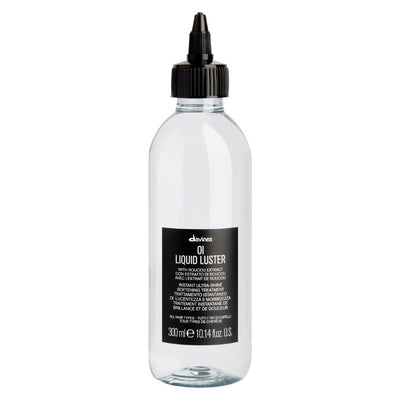
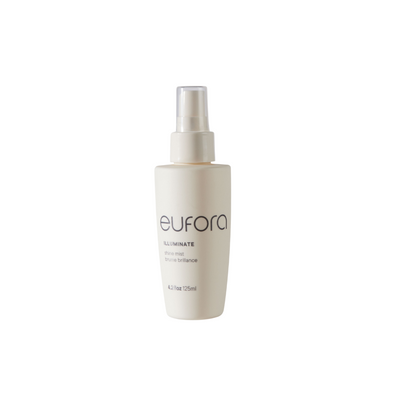
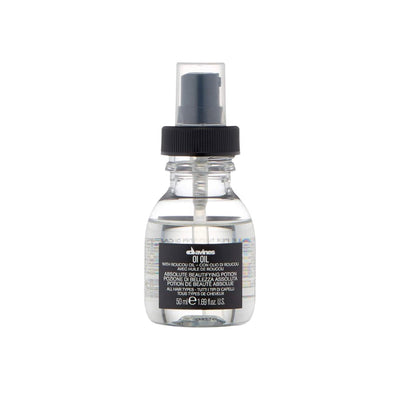
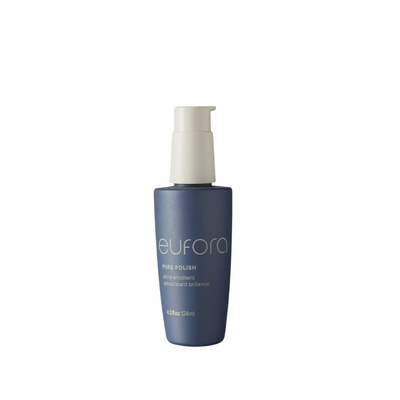
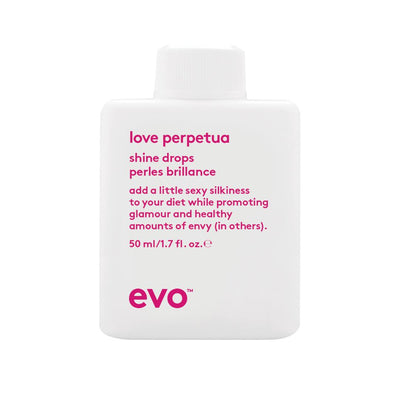
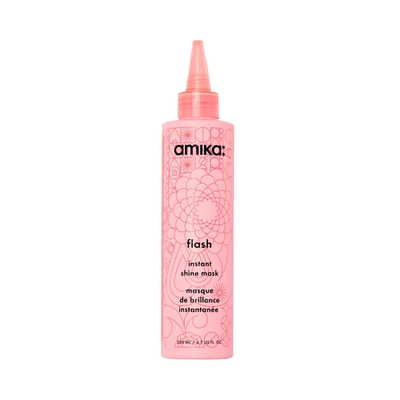
Davines Oi Liquid Luster Shine TreatmentEufora Illuminate Shine Mist | Light-Reflecting Shine + Frizz ControlDavines OI Oil | Roucou Oil Finishing Oil for Shine, Frizz Control and Heat ProtectionEufora Pure Polish | High-Gloss Zero-Weight Frizz Control SerumLove Purpetua Shine Drops -EvoAmika Flash Instant Shine Mask | Quick Gloss Treatment at Moda Salon

The reason matters

Dryness,
roughness,
fading
or buildup?

Dull is the result. The reason can be different. Before you add shine, figure out what's blocking it β€” because the four causes above have four different answers, and only one of them is solved by a finishing product.

Before you add shine,
figure out
what's blocking it.

DrynessHair lacks softness and flexibility.Dry hair doesn't reflect light well because the surface is thirsty and the fibre has lost flexibility. The fix starts at the conditioning step, not the finishing step β€” and a finishing oil on genuinely dry hair only masks it for an afternoon.You may notice:
  • dry feel
  • reduced softness
  • rough ends
  • lack of flexibility
Hydrate + soften →
Rough surfaceLight is being scattered by an uneven surface.Shine is light bouncing off a smooth cuticle. When the surface is raised or frizzy, light scatters instead of reflecting, and hair reads dull even when it's perfectly well conditioned. This one is a smoothing problem, not a moisture problem.You may notice:
  • frizz
  • roughness
  • surface disruption
  • no smooth reflection
Smooth + polish →
Colour / toneColour can look muted even if it hasn't faded.Colour and shine are two different things. Hair can hold its colour perfectly and still look flat, because what's missing is reflection rather than pigment. Work out which one you're actually looking at before reaching for a toner.You may notice:
  • colour looks muted
  • tone looks different
  • lacks brilliance
  • may not have faded at all
Colour care + gloss →
BuildupResidue can make hair look flat or cloudy.Styling product, conditioning residue and hard-water minerals sit on the surface and dull it. Adding more product on top of that makes it worse, not better. If the hair feels coated as well as looking dull, reset first.You may notice:
  • coated feel
  • heavy roots or lengths
  • dull film
  • mineral cloudiness
Clarify + reset →

How do you want it to look?

Pick your level of polish.

Shine isn't always oil. These are six different finishes, not six strengths of the same one β€” weightless and high gloss are different goals, not a lesser and greater version of the same goal.

Not all shine products do the same job

Oil,
serum,
spray
or treatment?

Shine is a result. Product format tells you how you get there. None of these is better than the others β€” they are five different routes to the same outcome, and the right one depends on your hair and how much weight it can carry.

Shine
is a result.
Not a product
name.

OilSoftness, polish, dry ends.Oils sit on the surface and seal it. They range from ultra-light drops to rich treatment oils, so oil does not automatically mean heavy β€” the weight badge on each card tells you which end you're at.Usually helps with:
  • softness
  • polish
  • mids + ends
  • damp or dry, depending on the formula
Shop oils →
SerumSmoothing, frizz control, surface polish.Serums are built for the surface. Smoothing, frizz control and polish are the job, and they run lightweight to rich just like oils do.Usually helps with:
  • smoothing
  • frizz control
  • surface polish
  • lightweight to rich
Shop serums →
Shine spray / mistFinishing shine, less conditioning weight.The lightest way to add shine. A mist deposits a fine layer of light-reflecting finish over a completed style without the conditioning payload of an oil β€” which is why it's usually the right answer for fine hair.Usually helps with:
  • finishing shine
  • less conditioning weight
  • great for fine hair
  • over a finished style
Shop sprays →
Leave-inMoisture, detangling, some shine.A leave-in is a care step, not a finishing step. Shine is usually a secondary benefit here rather than the point β€” which is exactly why we've listed it separately instead of filing it with the finishers.Usually helps with:
  • moisture + detangling
  • some shine
  • not just a finish product
  • damp hair, before styling
Shop leave-ins →
Treatment / gloss careShine as part of conditioning.Masks, treatments, bond care and gloss treatments improve the surface over a longer routine rather than in the last thirty seconds. Longer-lasting results, more commitment.Usually helps with:
  • shine as part of conditioning
  • repair + surface polish
  • longer-lasting results
  • in the shower, or as a treatment step
Shop treatments →

Shine without the wrong weight

How much can
your hair carry?

The richest product
isn't automatically
the right shine product.

Fine hair

Shine without collapse.

Fine hair reads dull quickly and flattens even quicker. A mist or a light serum on the mids and ends gives you reflection without the payload β€” and a small amount of a light product beats a careful amount of a rich one.

Prioritise:

  • mist or light serum
  • light leave-in
  • small amounts
  • mid-lengths and ends

On the card: Weight Β· Lightweight

Shop fine hair shine

Medium hair

Balance softness + polish.

The widest choice of the three. Serum, oil, leave-in, treatment and mist are all genuinely available to you, so pick by what's causing the dullness rather than by what your hair can tolerate.

Prioritise:

  • serum or oil
  • leave-in
  • treatment
  • shine mist

On the card: Weight Β· Balanced

Shop balanced shine

Thick + coarse hair

More polish. More control.

Coarse and very dry lengths can carry a richer product, and often need one β€” a light mist may simply not be enough to smooth a surface this size. Richer oils, smoothing serums, conditioning creams and masks all belong here.

Prioritise:

  • richer oils
  • smoothing serums
  • conditioning creams
  • masks + treatments

On the card: Weight Β· Rich

Shop richer shine

Every product on this page carries a weight β€” Lightweight, Balanced or Rich β€” read from the same scale used across the rest of the site. It's the single most useful filter here, and the one most likely to explain why a product someone raved about did nothing for you.

Flat colour or faded colour?

They aren't
quite the same thing.

Dull doesn't
automatically
mean faded.

Dull

The colour is there. The light isn't.

Your colour may be completely accurate and still look muted, because what's missing is reflection rather than pigment. Shine, smoothing and conditioning are the route β€” and if the hair also feels coated, clarifying comes before any of them.

You may notice:

  • colour still reads correctly
  • lacks reflection and polish
  • surface feels rough or coated
  • looks better when freshly styled

On the card: Route Β· Shine, smoothing, conditioning

Shop colour + shine

Faded

The colour itself has shifted.

The tone or intensity has genuinely changed β€” warmer, lighter, less saturated than it was. This is where colour care, toning and colour-depositing products belong, and where a salon appointment is often the honest answer.

You may notice:

  • tone has visibly changed
  • intensity has dropped
  • regrowth contrast is obvious
  • styling doesn't bring it back

On the card: Route Β· Colour care, toning, salon

Explore colour care

This distinction decides whether you need pigment or polish, and getting it wrong is expensive in both directions. Colour-depositing products belong where tone is genuinely the concern β€” not everywhere colour looks less impressive than it did on appointment day.

When blonde loses its light

Cloudy doesn't
always mean brassy.

Five different reasons blonde can look dull, and only one of them is tone. This is the section we'd most like you to read before buying anything, because reaching for purple when the actual problem is dryness, damage or minerals is the most common mistake we see behind the chair.

Purple changes tone.
It doesn't
automatically
create shine.

Dry blondeLightened hair is thirstier.Lightening changes how hair holds moisture, and dry blonde reads dull before it reads dry. If the hair feels parched as well as looking cloudy, hydration comes first and nothing else will work until it does.You may notice:
  • feels dry or straw-like
  • rough through the lengths
  • dull rather than brassy
  • worse after washing
Shop hydration →
Damaged blondeStructure, not tone.Breakage and porosity scatter light. Hair that's been lightened repeatedly can look cloudy because the surface is genuinely compromised, and toning that hair does nothing for the cloudiness.You may notice:
  • breakage or split ends
  • stretchy when wet
  • porous, absorbs product fast
  • uneven texture
Shop damage + repair →
Coated / mineral-heavy blondeHard water and residue.Minerals from hard water deposit on lightened hair readily and can make blonde look grey, dingy or flat. Purple on top of mineral buildup usually makes it look worse, not brighter.You may notice:
  • dingy or greyish cast
  • feels coated
  • worse in certain water
  • product stops working
Explore clarifying + reset →
Brassy blondeTone genuinely has shifted.Warmth has come through β€” yellow, gold or orange where it used to be cool. This is the one where toning is the right answer, and this is the only one of the five where it is.You may notice:
  • visible yellow or gold
  • cool tone has dropped out
  • uneven warmth
  • progressed since your appointment
Shop blonde + toning →
Healthy blonde that wants polishNothing's wrong. You just want more.The hair is in good condition, the tone is right, and you simply want a more reflective finish. This is a finishing product question β€” and a lightweight one, because blonde is often finer than it looks.You may notice:
  • condition is good
  • tone is right
  • wants more reflection
  • weightless is usually the answer
Shop lightweight shine →

When the ends give it away

Finish where
the hair needs it.

Mid-lengths and ends are older than the rest of your hair and usually need a different level of care than the root area. Targeted oils, serums and leave-ins add softness and polish exactly where the dullness is, without coating the whole head to fix the bottom four inches.

The Moda shortcut

What's making
your hair look dull?

Six stylist-selected starting points. Two of the eight routes on this page deliberately aren't product picks β€” coated hair starts with a reset, and cloudy blonde starts with working out which of five things it actually is.

All shine + gloss

Shop all shine + gloss.

126 products

Quick filters

Active filters

Clear all
1 2 3 4 … 6

Want the salon finish?

The shine
isn't one product.

That polished salon finish comes from the combination of condition, product placement, heat protection, brush work and finishing product β€” not one bottle at the end. It's also why the same product can look spectacular in the salon and ordinary at home: the product was never doing the work on its own.

Shine questions?

A few things worth knowing.

Why does my hair look dull?

Usually one of four things: it's dry, the surface is rough, the colour or tone has shifted, or there's buildup sitting on it. Dull is the result β€” the reason is what decides the fix. Damage and fine, flat hair are the other two common causes. Work out which one you're looking at before you buy anything.

What is the best product for dull hair?

There isn't one, and anyone who names a single bottle is guessing. If the hair is dry, a mask or conditioner does more than a finishing oil. If it's coated, clarifying comes first. If the surface is rough, a smoothing serum. If it's genuinely healthy and you just want polish, that's when a finishing product is the answer.

Does dull hair mean my hair is dry?

Not necessarily. Dryness is one of several causes. Hair can be well moisturised and still look dull because the surface is rough, because there's product buildup, or because the colour has flattened. If it looks dull but doesn't feel dry, adding moisture won't fix it.

Is dull hair the same as faded colour?

No, and this is worth getting right. Dull means the colour is still there but isn't reflecting light. Faded means the tone or intensity has genuinely changed. Dull is a shine problem; faded is a colour problem. Treating one as the other wastes money in both directions. This is also why hair often looks dull straight after a colour service β€” the cuticle is raised and the lengths are drier, both of which scatter light. Give it a week of proper conditioning before concluding anything about the colour itself.

Why does blonde hair look cloudy?

Five possible reasons: dryness, damage, product buildup, mineral buildup from hard water, or tone. Only the last one is fixed by toning. Cloudy blonde is the most misdiagnosed thing we see β€” and reaching for purple when the cause is minerals usually makes it look worse.

Does cloudy blonde always need purple shampoo?

No. Purple changes tone; it doesn't create shine. If your blonde is dry, damaged or coated, purple will not address any of that and can make dull blonde look flatter. Check what the hair feels like before you reach for pigment β€” if it feels rough or coated, that's your answer.

Can buildup make hair look dull?

Yes, and it's one of the most common causes. Styling product, conditioning residue and hard-water minerals form a film on the surface that stops light reflecting. The tell is that the hair feels coated as well as looking dull, and that products seem to have stopped working. Hard water is the version of this that catches people out β€” minerals deposit over time, lightened hair picks them up most readily, and it shows as a dingy or greyish cast that no amount of conditioning improves.

Should I clarify if my hair looks dull?

Only if the hair also feels coated or heavy. Clarifying strips the surface, which is exactly right when there's a film on it and exactly wrong when the hair is simply dry. If it feels dry rather than coated, clarifying will make it worse.

What's the difference between hair oil and hair serum?

Oils are usually about softness, nourishment and polish; serums are usually about the surface β€” smoothing, frizz control and shine. Both run from ultra-light to rich, so neither is automatically the heavier option. The weight on each product card tells you more than the format does.

What's the difference between a shine spray and an oil?

A shine spray deposits a fine layer of light-reflecting finish with very little conditioning weight. An oil delivers conditioning as well as polish. If your hair goes flat easily, the spray is usually the better answer; if the lengths are genuinely dry, the oil is doing more.

What's the difference between a leave-in and a shine product?

A leave-in is a care step applied to damp hair before styling β€” moisture, detangling and protection, with shine as a secondary benefit. A finishing product goes on at the end to add polish. A leave-in is not automatically a finishing product, which is why we list them separately.

What's the difference between a gloss treatment and a finishing serum?

A gloss treatment improves the surface during the routine β€” in the shower or as a treatment step β€” and the result lasts through several washes. A finishing serum sits on the surface at the end of styling and washes out. Different commitment, different persistence.

What should I use for high-gloss hair?

A product that names high gloss, mirror or glass finish specifically β€” not just any oil. We've only assigned High Gloss to products whose own copy claims it, so filtering by that goal gives you the real list rather than everything shiny-adjacent.

What should I use for natural-looking shine?

Something light with a soft sheen rather than a reflective finish. A light leave-in, a balanced conditioner, or a small amount of a lightweight finishing product. Filter by Natural Shine β€” the goal is movement and health, not reflection.

What should I use for fine hair that needs shine?

A mist or a very light serum, on the mids and ends only, in a smaller amount than feels right. Fine hair collapses under conditioning weight, so a lightweight product used properly beats a rich one used carefully. Filter by Weightless Shine or by Lightweight. And yes, a rich oil really can flatten fine hair β€” it is the most common reason someone concludes shine products don't work on them. The fix is a lighter format and less of it, not giving up on the idea.

What should I use for thick or coarse hair that needs shine?

You can carry a richer product, and often need one β€” a light mist may simply not cover a surface that size. Richer oils, smoothing serums, conditioning creams and masks all work. Filter by Rich + Polished.

Where should I apply hair oil?

Mid-lengths and ends, almost always. The root area produces its own oil and doesn't need help, and product at the root is what makes hair look greasy rather than glossy. You don't have to oil the whole head to finish the ends. Whether a product goes on damp or dry hair depends on the formula rather than the format β€” the application on each product card tells you which, and using a damp-hair product on dry hair is a common reason results disappoint.

What should I use on dull ends?

Something targeted at the mids and ends rather than the whole head β€” an oil, serum or leave-in, chosen by whether the ends are dry, rough, coloured or damaged. Ends are older than the rest of your hair and usually need a different level of care than the root area.

What product gives shine without weighing hair down?

A shine mist or lightweight shine drops. Both deposit a reflective finish with minimal conditioning payload. Filter by Weightless Shine to see only the products whose makers claim that specifically.

Can heat styling make hair look shinier?

It can β€” a smooth blow-dry closes the cuticle and a closed cuticle reflects light. That's why a salon blowout looks glossier than air-dried hair. It's also why heat protection matters: the same heat that smooths the surface damages it without protection.

Do I still need heat protection if my shine product says it protects?

Only if that product's manufacturer actually verifies thermal protection. We mark heat protection on this page only from a verified claim β€” never because something is an oil or a serum or has 'blowdry' in the name. If a product isn't marked, treat it as no protection.

What should I use for shine on colour-treated hair?

Colour-safe finishing products, and non-pigmented colour care where the colour itself is fine. If the tone has genuinely shifted, that's a colour-care question rather than a shine one. Filter by Colour Gloss for shine, or by Shine + Colour Care for products that do both.

What should I use for shine on curly hair?

Curl reflects light differently from straight hair β€” you're aiming for definition and softness rather than a flat reflective surface, so a light oil or serum on defined curls does more than a smoothing product would. Our Curl + Texture range is where we'd start.

Can Moda help me choose?

Yes, and it's usually a two-minute conversation. Tell us what your hair looks like, what it feels like, and whether the problem is dryness, frizz, colour, buildup or simply wanting more polish. Getting the cause right is most of the job β€” the product almost picks itself after that.

Still wondering about something? Ask Moda

Dry? Rough? Cloudy? Coated? Just want more gloss?

Tell us where the shine went.

Tell us what your hair feels like, what it looks like and whether the problem is dryness, frizz, colour, buildup or simply wanting more polish. We'll help narrow down the right route β€” and we'll tell you when the answer isn't a finishing product at all.