Extension care

Shop Hair Extension Care

Keep the length. Protect the investment.

Professional aftercare for hair extensions β€” from cleansing and conditioning to detangling, heat protection, brushing and overnight care β€” organized around what helps extensions stay looking and feeling their best between appointments.

Good extensions start in the salon.Great extensions are maintained at home.

View products

Start here

What does your
attachment look like?

Not sure what your extension method is? Aftercare can change depending on how the hair is attached β€” so this is the first question, not the last. Each card has an image slot ready in the theme editor for Moda's own attachment photography.

Same hair.
Different attachment.

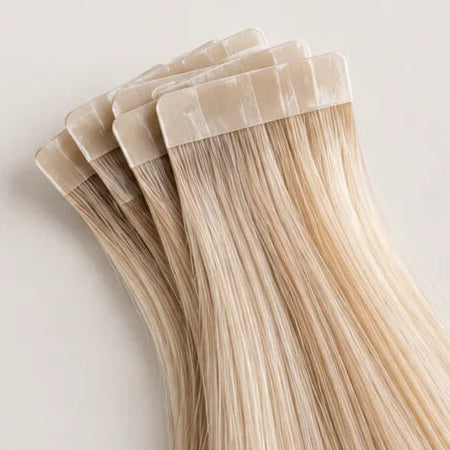
Tape-inFlat adhesive tabs.Thin adhesive tabs sandwich a section of your own hair and sit flat against the head. Because the tabs sit so close to the scalp, where you place oils, conditioners and styling products around them matters.What you're looking at:
  • flat tabs against the head
  • sits close to the scalp
  • placement around the tabs matters
  • removed by your stylist
Ask Moda about tape-in care →
WeftA horizontal row of hair.A row of extension hair sits against the head, attached along its length. Cleansing the roots thoroughly, drying properly around the row and brushing carefully are the parts that take attention.What you're looking at:
  • a row, not individual strands
  • sits along the head
  • root cleansing + drying matter
  • removed by your stylist
Ask Moda about weft care →
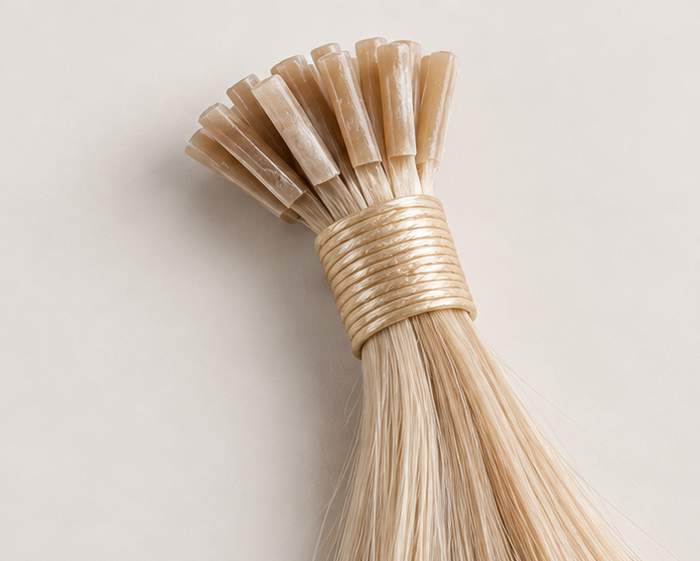
keratin ktipsK-tip / keratin bondSmall individual bonds.Individual extension strands are attached with small keratin bonds near the root. Detangling, product placement and heat around the bonds are the things worth getting right.What you're looking at:
  • many small individual bonds
  • keratin, not metal
  • detangling matters most
  • removed by your stylist
Ask Moda about K-tip care →
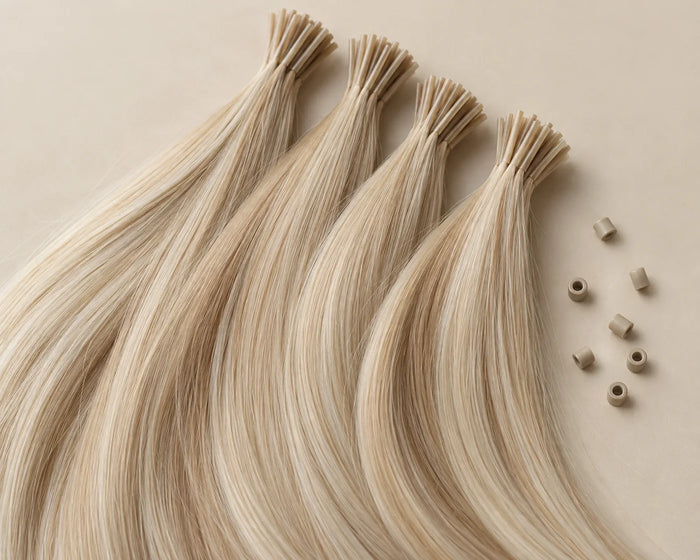
I-tip / beadedSmall beads or micro rings.Individual strands are secured with small beads or micro rings that your own hair passes through. Scalp access, careful brushing and drying at the roots are the priorities.What you're looking at:
  • small beads or micro rings
  • not keratin bonds
  • scalp access matters
  • removed by your stylist
Ask Moda about I-tip care →
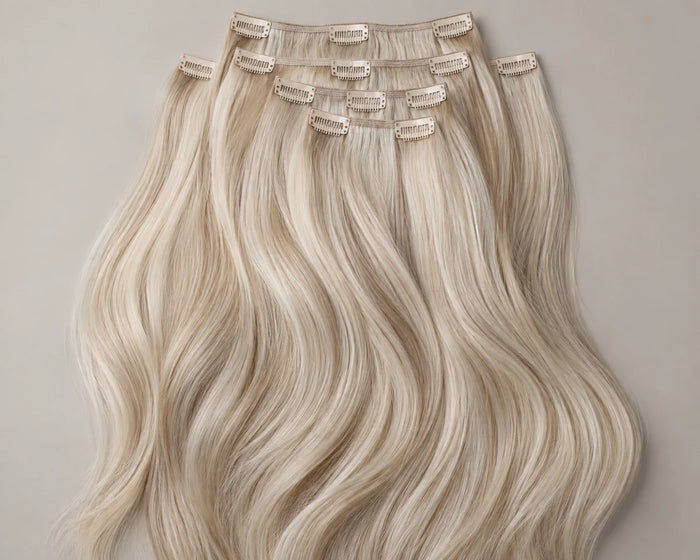
Clip-in / temporarySnap clips you can remove yourself.Temporary pieces attach with small clips and come out between wears. That changes everything about the routine β€” washing frequency, where you detangle, and how you store them.What you're looking at:
  • snap clips, no adhesive
  • removed at home
  • detangle off the head
  • storage matters
Ask Moda about clip-in care →
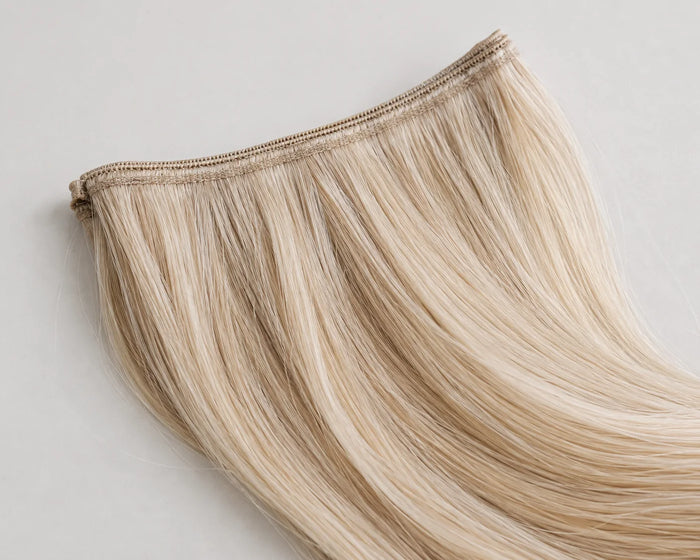
Moda Salon blonde balayage hair detail

Which one looks like yours?

Not sure?
That's the normal answer.

Most people know they have extensions without knowing what the method is called β€” and it genuinely changes the aftercare. Rather than guess for you, we'd rather look. Tell us what you can see at the root, or bring it in, and we'll tell you the method and what your routine should actually be.

The three things you're caring for

Extension hair,attachment+ your own hair.

The best productfor the lengthsisn't alwaysthe best productfor the attachment.

The extension hair

Needs moisture, detangling and protection.

Extension hair does not get new oil from your scalp, so everything it gets, it gets from you. Moisture, detangling, heat protection, shine and gentle styling all live here β€” and this is where most of the products on this page belong.

What it needs:

  • moisture
  • detangling
  • heat protection
  • shine + gentle styling

On the card: Placement Β· Lengths / Ends

Shop length care

The attachment

Needs correct product placement.

Tapes, bonds, beads and rows all have their own rules about what goes near them and what doesn't β€” and those rules come from your extension method and your stylist, not from a product label. We don't guess them here.

What it needs:

  • correct product placement
  • care around tapes, bonds, beads, rows
  • proper brushing
  • method-specific β€” ask your stylist

On the card: Attachment use Β· Unknown until verified

Ask Moda about your method

Your own hair + scalp

Still needs everything it needed before.

The extensions did not replace your hair. Your own hair still needs appropriate cleansing, your scalp still needs looking after, and if you colour, that routine continues too. Extensions are added to a routine, not instead of one.

What it needs:

  • appropriate cleansing
  • scalp care
  • colour care where relevant
  • repair + density support

On the card: Placement Β· Scalp / Roots

Shop hair + scalp care

Three areas, one result. Most aftercare problems we see are not the wrong product β€” they're the right product in the wrong one of these three places.

Clean doesn't mean strip it

Everyday cleanse
or reset?

Clean enough to feel fresh.
Gentle enough to protect
the routine.

Everyday cleansing

Your normal wash routine.

A gentle, moisture-led shampoo at the roots and scalp is the everyday step. Which specific shampoo suits your extensions depends on your method β€” that's a stylist answer, and we'd rather give you the right one than a generic one.

What it's for:

  • regular wash routine
  • scalp + root cleansing
  • gentle and moisture-led
  • method guidance from your stylist

On the card: Step Β· Cleanse Β· Roots + scalp

Shop extension shampoos

Clarifying / reset

Only when it's actually appropriate.

Buildup, product residue and hard-water minerals are real, and sometimes a reset is the right call. But we won't tell you to clarify weekly, and we won't tell you never to clarify β€” compatibility depends on your extension method, and no product on this shelf carries that verification.

What it's for:

  • buildup or residue
  • hard water
  • only when appropriate
  • check your method first

On the card: Not classified extension-compatible

Shop clarifying + reset

We do not label any clarifier extension-safe. Not one manufacturer in this catalogue makes that claim, and we're not going to make it on their behalf. Ask your stylist which reset β€” if any β€” suits your method.

Extension hair doesn't get new oil from the scalp

The lengths
need you.

Your own hair is fed by your scalp. Extension hair isn't β€” everything it gets, it gets from the products you put on it. Left alone, extension lengths can become dry, rough, tangled and dull, and that is usually what people mean when they say their extensions have stopped looking good.

Protect before you style

Extensions + heat
need a plan.

Extension hair cannot repair itself and it cannot be replaced without another appointment, which makes heat protection less optional than it is on your own hair. Every product on this shelf carries a verified thermal-protection claim from its maker β€” nothing is here because it merely says smoothing or nourishing.

Pool. Lake. Ocean. Sunscreen.

Vacation changes
the routine.

Chlorine, salt water, hard water, sun and sunscreen all land on extension hair harder than they land on your own, because extension hair has no way to recover on its own. The sequence that helps most is simple: protect before, rinse straight after, detangle gently, then put moisture back.

When the hair is also coloured

Colour care gets
more complicated
with extensions.

Extension hair can respond differently from your own β€” it has a different history and no living connection to your scalp. Colour-depositing products can affect it, toners can shift it, and purple shampoo is not automatically appropriate just because the extensions are blonde. Manufacturer warranties can also carry care requirements. This is one to ask about rather than experiment with.

What job are you shopping for?

Build the routine
by job.

This page isn't organised brand against brand, because that isn't the useful question for extension care. The useful question is which step you're missing β€” and then which product does that step well.

Build the routine by job.
Not by matching bottles.

The tool matters too

Brush differently.
Style intentionally.

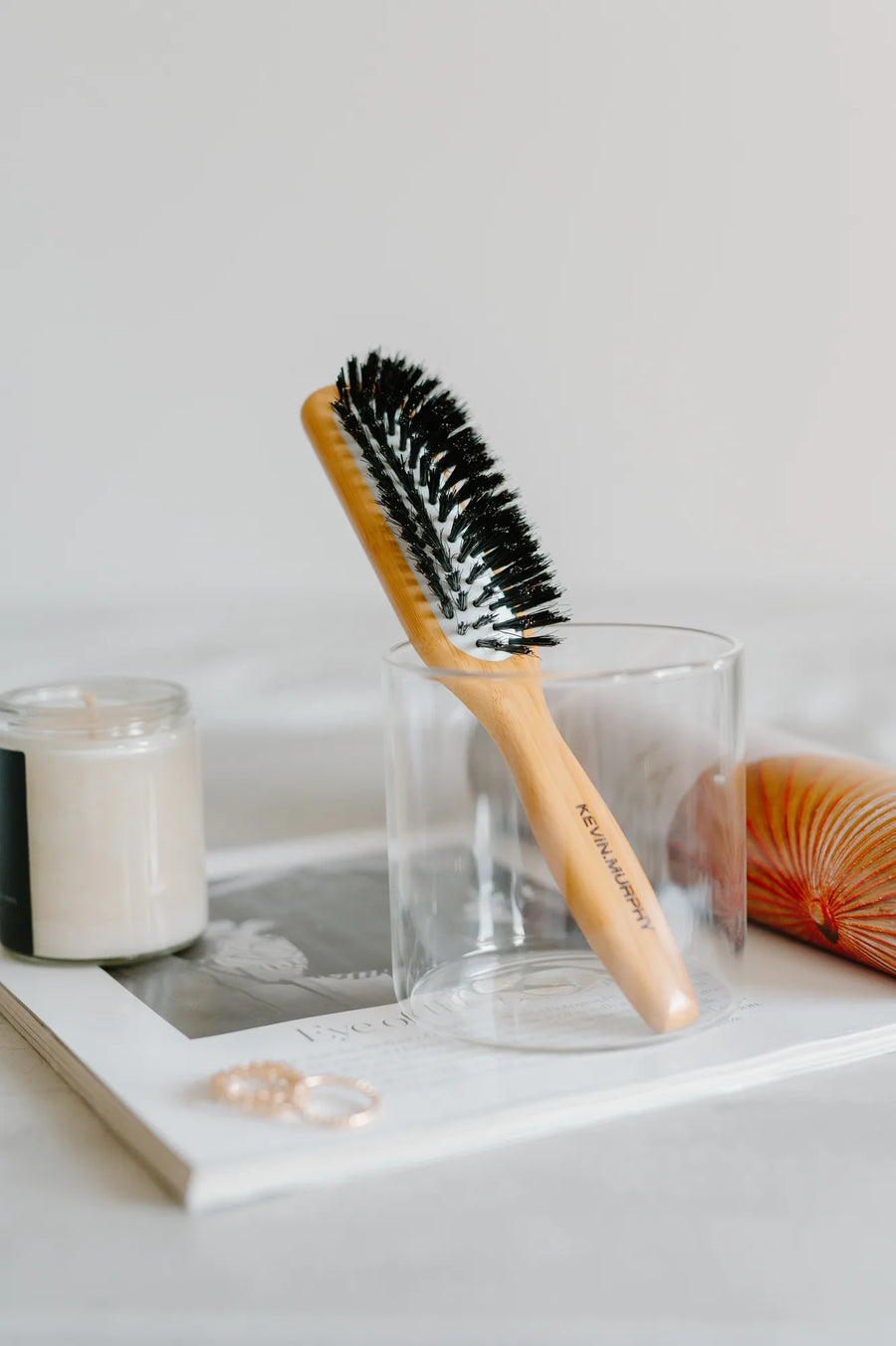
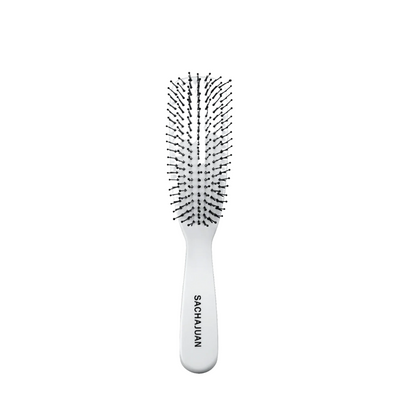
A brush that drags is the fastest way to lose length. The brushes here are the ones whose own copy names gentle detangling β€” and none of them is labelled an extension brush, because no manufacturer in this catalogue makes that claim. We'd rather tell you that than print a badge nobody stands behind.

All extension care

Shop all extension care.

59 products

Active filters

Clear all
1 2 3
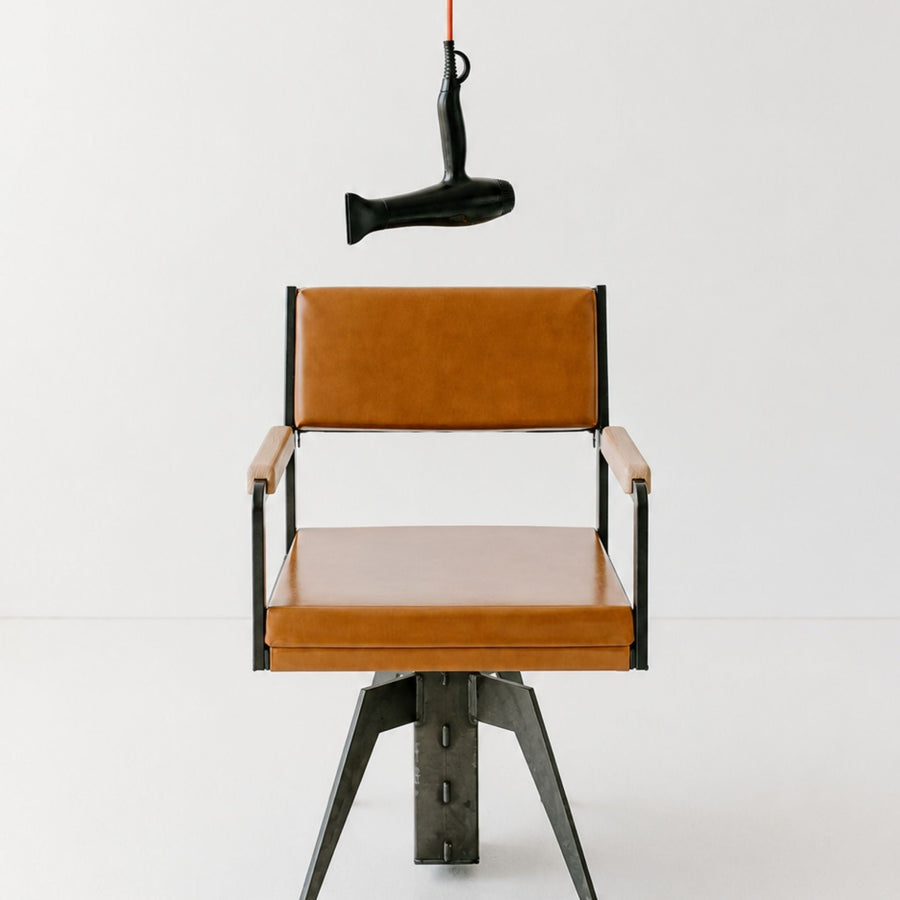
A modern industrial-style chair with tan leather seat and back cushions, black metal frame and legs, and light wood armrests, photographed against a clean white studio background. A black hair dryer hangs from a red cord above the chair.

The best aftercare starts at the appointment

Your extensions
should come
with a plan.

Extension method, attachment placement, your natural hair, your colour and your lifestyle all affect the right home routine β€” and no product page can work that out for you. Moda can show you exactly where each product should go and how to care for your extensions between maintenance appointments. That conversation is the part this page can't replace.

Extension questions?

A few things worth knowing.

How do I know what type of extensions I have?

Look at the root. Flat adhesive tabs are tape-ins. A horizontal row attached along its length is a weft. Many small individual keratin bonds are K-tips. Small metal beads or micro rings that your own hair passes through are I-tips. Snap clips you can open yourself are clip-ins. If you still aren't sure, that's completely normal β€” send us a photo or bring it in and we'll tell you.

What shampoo should I use with hair extensions?

A gentle, moisture-led shampoo, applied at the roots and scalp. Which specific one suits your extensions depends on your method, and we'd rather give you the right answer than a generic one β€” so ask your stylist, or ask us. What we won't do is label a shampoo extension safe on the strength of it being sulfate-free.

What conditioner should I use with extensions?

A conditioner that adds moisture and slip through the lengths. Extension hair gets nothing from your scalp, so conditioner does more work here than it does on your own hair. Where exactly it goes in relation to your attachment is method-specific.

Can I use hair oil with extensions β€” and where should I apply it?

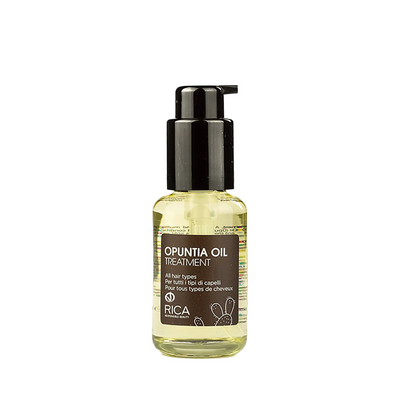
Oil on the lengths is one of the best things you can do for extension hair. Where it should stop is the part that depends on your method. Oil belongs on the lengths, not automatically at the attachment β€” and the precise rule for tape, bond or bead comes from your stylist, not a bottle.

Can oil affect tape-in extensions?

It can, which is why we won't give you a blanket yes or no. Tape adhesive and product interact differently depending on the system your stylist used. Ask them specifically about your tape-ins β€” it's a two-minute question with a definite answer, and guessing is how tabs slip.

Can I use a hair mask with extensions, and where?

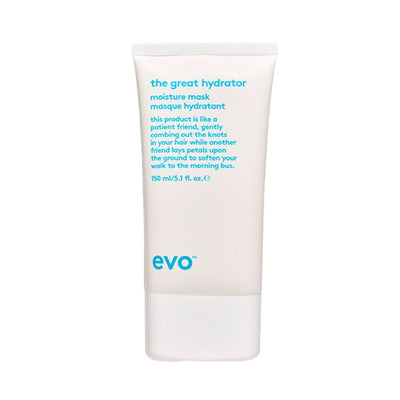
Yes β€” masks are one of the most useful things for extension lengths, because deep moisture is exactly what extension hair can't produce for itself. Apply through mids and ends. How close to the attachment is a method question.

What's the difference between caring for the extension hair and the attachment?

The extension hair needs what any dry hair needs: moisture, detangling, heat protection, gentle handling. The attachment needs correct product placement and appropriate brushing, and its rules come from the method rather than from any product. They're two different jobs on the same head, and most aftercare problems come from treating them as one.

How should I brush hair extensions, and what kind of brush?

Gently, working from the ends upward rather than dragging from the top, and supporting the attachment area as your stylist showed you. Use a brush whose maker names gentle detangling. We stock several β€” and we don't badge any of them extension brush, because none of their manufacturers make that claim.

Do extensions need heat protection?

More than your own hair does. Extension hair can't repair itself and can't be replaced without another appointment. Everything on our heat shelf carries a verified thermal-protection claim from its own maker β€” a smoothing cream doesn't count unless the label says so.

Can I flat iron or curl extensions, and can heat affect the attachment?

Most extension hair can be heat styled, and heat near tape, bonds, beads or rows is a separate question with a method-specific answer. We deliberately don't publish a temperature on this page β€” no single number is right for every method and every product, and a made-up one is worse than none.

Can I use clarifying shampoo with extensions?

Sometimes, and it depends on your method. We won't tell you never to clarify, and we won't tell you to clarify weekly. What we can tell you is that no clarifier in our catalogue carries an extension-compatibility claim from its manufacturer, so ask your stylist before you use one.

Can I use dry shampoo with extensions?

Ask your stylist about your specific method. Dry shampoo lands at the roots, which is the attachment zone, and that's exactly the area where we won't guess on your behalf.

Can I use purple shampoo on blonde extensions?

Not automatically. Toning is pigment, and extension hair can take pigment differently from your own β€” sometimes noticeably so. It's not that you can't; it's that this is a question to ask before, not after. We don't classify any toning product as extension-compatible.

Can I use colour-depositing conditioner on extensions?

Same answer as purple shampoo, and for the same reason. Colour-depositing products put pigment onto hair on purpose, and extension hair may hold it differently. Ask first.

Can extensions go in chlorine or salt water?

People swim with extensions all the time. What matters is what you do around it: something protective through the lengths before you get in, a fresh-water rinse straight after, gentle detangling, and moisture back in afterwards. Whether your specific method has any additional rule is a stylist question.

How should I care for extensions on vacation?

Protect, rinse, detangle, rehydrate β€” in that order, every day you're in water. Take a leave-in, a travel-size oil and a detangling brush, and put a mask back into the routine when you get home. Sunscreen and self-tanner can also mark extension hair, so keep them off the lengths where you can.

What should I do after swimming?

Rinse with fresh water before anything dries in, detangle gently with a leave-in rather than a dry brush, and follow with conditioner or a mask. The rinse is the step that matters most and the one people skip.

Can hard water affect extension colour?

It can β€” minerals build up on hair and can dull or shift the tone, and extension hair has no way to shed them. The usual fix is a chelating or mineral-removing product, but we don't recommend one for extension hair without confirmed compatibility. Bring it up at your next appointment.

How should I sleep with extensions? Can I go to bed with wet hair?

Detangle before bed, and secure your hair the way your stylist showed you for your method. On wet hair, follow your manufacturer's guidance β€” this is one where the honest answer really does vary by system, so we're not going to invent a universal rule.

What's different about tape-in aftercare?

Placement, mostly. Flat adhesive tabs sit close to the scalp, so what goes near them matters more than it does with other methods. The specifics β€” which products, how close, how soon after installation β€” come from your stylist and the tape system they used.

What's different about weft aftercare?

Getting the roots properly clean and properly dry around the row, and brushing carefully along it. The lengths need the same moisture and detangling as any extension hair.

What's different about K-tip and I-tip aftercare?

Both are individual-strand methods, so detangling is the biggest daily factor β€” bonds and beads can matt if hair is left tangled. K-tips are keratin, I-tips are beads or micro rings, and each has its own product and heat guidance from the system your stylist used.

How do I care for clip-in extensions?

Differently, because they come off. Detangle them off your head, wash them only as often as they actually need it, keep heat protection on them if you style them, and store them properly rather than loose in a drawer.

How often should extensions be maintained, and can Moda build my home routine?

Maintenance timing depends on your method, your hair growth and how the extensions are wearing, so it's a conversation rather than a fixed number. And yes β€” tell us your method and what you're trying to solve and we'll build the home routine around it. That's the part this page is here to start, not finish.

Still wondering about something? Ask Moda

Tape? Weft? Bonds? Just dry + tangled?

Tell us what you're wearing.

Not sure what can go near your attachment? Extension lengths feeling dry? Blonde extensions getting dull? Planning a vacation? Tell us your extension method and what you're trying to solve and we'll help build the right aftercare routine.