Professional haircare

Shop Hair Masks

The weekly step that changes everything.

Professional rinse-out masks for dry, damaged, colour-treated, blonde, curly and frizz-prone hair — deeper than conditioner, chosen by what your hair needs and how much it can carry.

Once a week. Every week.

Skip to products
Moda Salon hair mask jar open, dark styling

The question that matters most

Dry or damaged?

They feel similar and get treated very differently. Dry hair needs moisture put back; damaged hair needs its structure supported. Pick the wrong one and the mask feels like it isn’t working — heavy on dry hair, or soft-but-still-snapping on damaged hair.

Both, honestly, is very common.

Dry

Thirsty, not broken.

Dry hair is missing moisture. It feels rough or straw-like, tangles, looks dull and frizzes in humidity — but it still stretches and bounces back when wet.

Signs to look for:

  • rough or squeaky lengths after washing
  • frizz that shows up in humidity
  • tangles and dullness
  • hair that feels better, briefly, after conditioner

What helps: a Hydrating mask — moisture and slip, chosen at the level your hair can carry.

Shop hydrating masks
Damaged

Weakened from the inside.

Damaged hair has lost structure — from bleach, colour, heat or chemical services. It can feel gummy or overly stretchy when wet, snaps when dry, and split ends travel up the strand.

Signs to look for:

  • elastic or mushy when wet, brittle when dry
  • snapping and breakage, especially at the ends
  • recent lightening, colour or chemical services
  • conditioner alone stops helping

What helps: a Repairing or Strengthening mask — protein, bond-building or restructuring actives, used regularly.

Shop repair masks

Ticking both boxes?Most colour-treated hair is a bit of each. Alternate a repair mask one week and a hydrating mask the next, or choose a repairing mask that also hydrates.

Shop repair + hydration
Moda Salon blonde balayage hair detail
Moda Salon Bowmanville blonde waves finished style

For fine hair

Yes, fine hair
needs a mask too.

Fine hair gets dry and damaged like any other hair — it just shows the weight of a rich mask faster. The fix is the level and the timing, not skipping the step: lightweight formulas, mid-lengths to ends, and a thorough rinse.

Moda Salon stylist holding product jar

No time? No excuse.

The three-minute mask
is a real thing.

Some masks are built to work in 30 seconds to 3 minutes — in the shower, no towel, no waiting. They’re marked “express” on the card. Longer isn’t always better: a fast-acting formula left on for 20 minutes doesn’t do more, it just delays your morning.

All hair masks

Shop all hair masks.

71 products

Active filters

Clear all
1 2 3
Moda Salon Davines Essential conditioner jars group

Build the routine

A mask replaces conditioner.
It doesn’t replace the routine.

Treatment day is shampoo → mask → rinse. Every other wash is shampoo → conditioner. Most mask cards link to the matching conditioner from the same line — or shop both by the same hair need.

Mask questions?

A few things worth knowing.

How do I choose the right hair mask?

Two questions. First, what does your hair need most — moisture, repair, strength, smoothing, toning, colour care, curl or shine? That’s the mask type. Second, how much treatment can your hair carry before it feels heavy? That’s the conditioning level: Lightweight, Balanced or Rich. The filters above combine both with your hair type. If nothing jumps out, a Balanced hydrating or repairing mask is a sensible first jar.

What’s the difference between a hair mask and conditioner?

A conditioner is the everyday rinse-out step — softness, slip and detangling in a minute or two. A mask is the deeper, less frequent version: more concentrated conditioning, repair or treatment agents, left on longer (30 seconds to 20 minutes depending on the formula) and used in place of conditioner, usually once a week. Conditioners have their own page.

Is my hair dry or damaged?

Dry hair is missing moisture: rough, dull, tangly, frizzy in humidity, but it still stretches and bounces back when wet. Damaged hair has lost structure: gummy or over-stretchy when wet, brittle and snapping when dry, usually after bleach, colour, heat or chemical services. Dry wants a Hydrating mask; damaged wants Repairing or Strengthening. Most colour-treated hair is a bit of both — alternate, or pick a repair mask that also hydrates.

How often should I use a hair mask?

Once a week is the standard for most hair. Very dry, very damaged or curly hair can go to twice a week; fine hair that gets weighed down may prefer every second week with a Lightweight mask. Use it in place of conditioner on those days, not on top of it. If your hair starts feeling limp or coated, you’re masking too often or too rich.

Do I use a mask instead of conditioner, or after it?

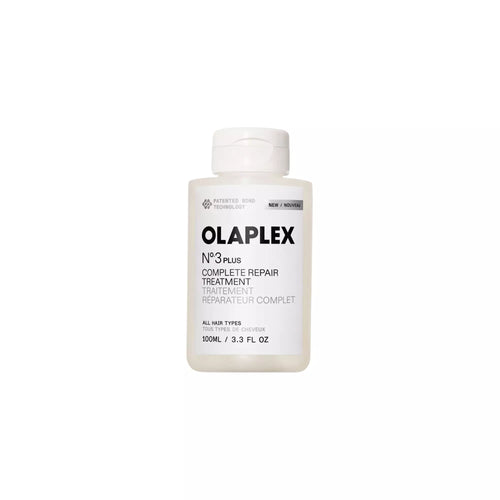
Instead of. Shampoo, squeeze out the water, apply the mask mid-lengths to ends, leave it for the time on the pack, rinse. On the other washes, use conditioner as normal. A handful of pre-shampoo masks go on dry hair before you wash — the product page says so — and bond builders like Olaplex Nº.3 are used before conditioner, which is why they live on the treatments page.

How long should I leave a hair mask on?

As long as the directions say — and no longer than they suggest. Fast-acting masks are made to finish in 30 seconds to 3 minutes; standard masks want 5–20 minutes, ideally under a warm towel or shower cap; a few can stay on overnight. A mask doesn’t keep working indefinitely, so a 3-minute formula left on for half an hour just delays your morning. Each card notes “express” or “overnight” where that applies.

Can fine hair use a hair mask?

Yes — fine hair gets dry and damaged too; it just shows the weight of a rich mask faster. Choose Lightweight, keep it off the roots, don’t exceed the time, and rinse thoroughly with cool water. Express masks are a good fit for fine hair because the short time limits how much product sits on the strand.

What mask is best for damaged or bleached hair?

A Repairing or Strengthening mask — protein, keratin, bond-building or restructuring actives — at the level your hair can handle: Balanced for most damaged hair, Lightweight for fine or lightened hair, Rich for coarse, heavily processed lengths. For structural bond repair before conditioner, add a bond builder from the treatments page; for weekly maintenance, the mask does the job.

What mask is best for curly hair?

A Curl or Hydrating mask with plenty of slip, chosen by density and strand thickness rather than curl pattern alone. Waves and finer curls usually do better Lightweight or Balanced; drier, denser, coarser texture wants Rich. Apply in sections, comb through with a wide-tooth comb, and follow with your leave-in while the hair is still wet.

Do I need a purple or toning mask if I already use purple shampoo?

Not always. Toning masks carry more pigment than a toning shampoo, so they’re useful when brass comes back quickly or between toner appointments — but doubling up every wash can over-tone. Many blondes alternate: a toning mask one week, a repair or hydrating mask the next. Timing is everything with pigment; follow the product’s own directions.

What’s a colour-depositing mask?

A mask with enough pigment to refresh, deepen or shift a shade between salon visits — coppers, reds, browns, honey blondes, platinum. It’s a different job from a purple toner, which only neutralises warmth. We filter them separately so you don’t pick one up expecting a plain hydrating mask. Wear gloves, follow the timing, and expect the tone to fade gradually over washes.

Are single-use masks worth it?

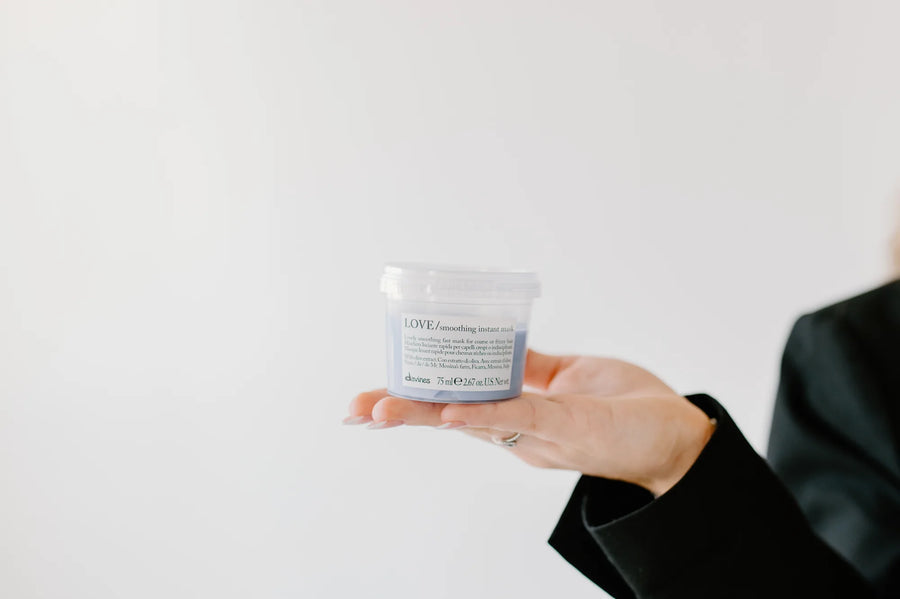
For trying a formula, travelling, or multi-masking — a repair mask on the ends and a scalp mask at the root in the same shower — yes. The Davines Circle Chronicles are single-use sachets with a full dose for one treatment; most of them also come in a backbar jar once you know which one you love. Use the Size filter for Single Use, Travel, Standard or Pro Size.

Can I use a rich mask on fine hair?

You can — the question is where and how much. A small amount through ends that are genuinely dry or damaged is fine; the same jar from root to tip usually isn’t. If you find yourself using less and less, a Lightweight or Balanced mask will probably suit you better.

Where are K18, Olaplex Nº.3 and leave-in masks?

On the treatments and leave-in pages. This page is rinse-out masks used in place of conditioner. K18’s Leave-In Molecular Repair Hair Mask stays in; Olaplex Nº.3 and Nº.0 are bond builders used before you condition; overnight serums and leave-in masks stay in until the next wash. They’re all still at Moda — just sorted by how they’re used.

Can Moda help me choose?

Yes, and it’s our favourite part. Use Ask Moda below and tell us what your hair does after masking — still dry, still snapping, too heavy, flat by day two — and a real stylist will narrow it down.

Still wondering about something? Ask Moda

Dry? Damaged? Both? Not sure?

Tell us what your hair feels like.

Ends that stay rough after masking? Lengths that snap when you brush? Curls that go limp with anything rich? Tell us what your hair is doing and we’ll help narrow it down.