



Thick + coarse hair

Shop Thick + Coarse Hair

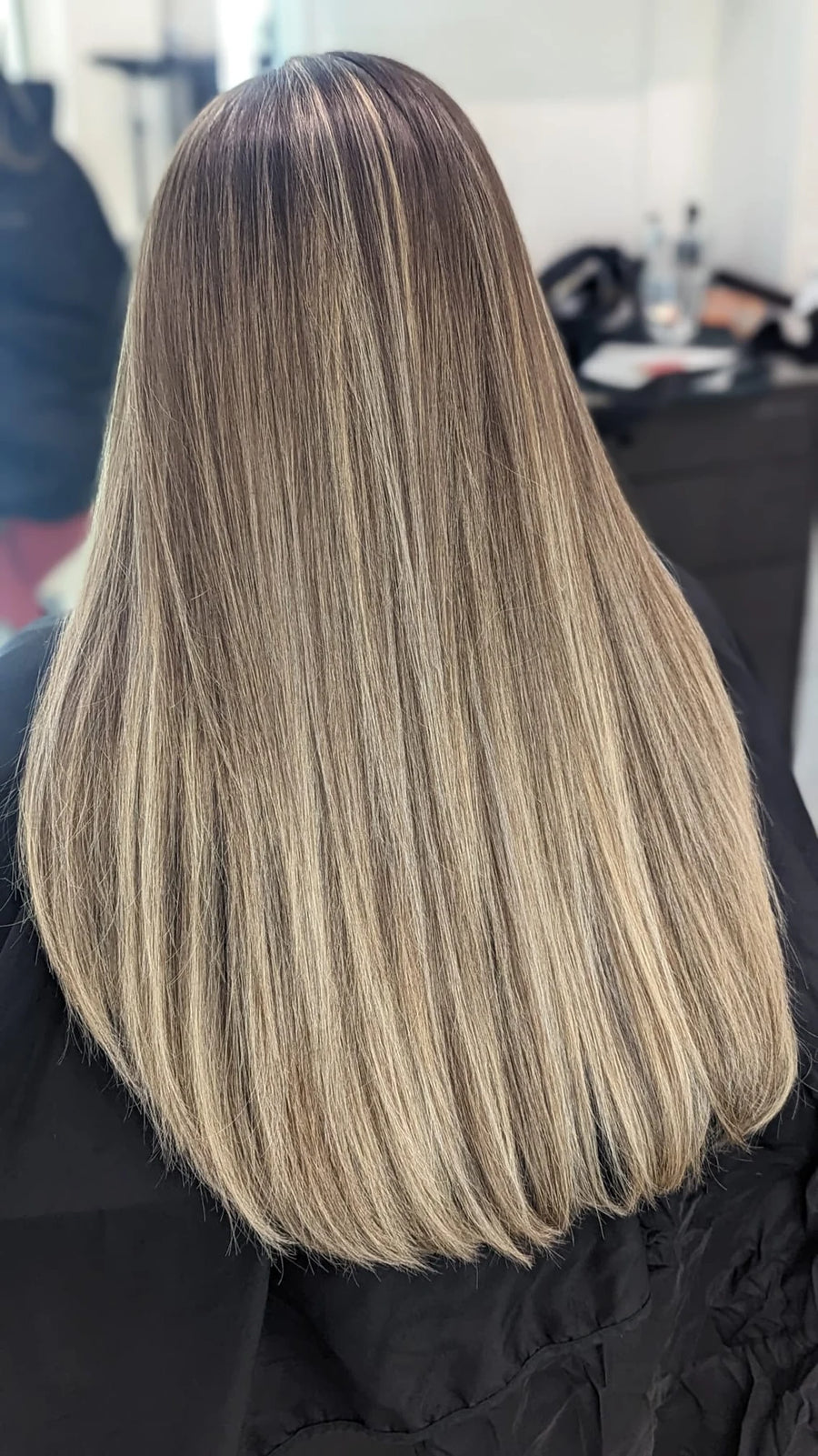
More hair can need more. Just not more of everything.

Professional care for thicker strands, dense hair and hair that needs more moisture, control or styling support β€” organized around what your hair actually needs, not just how much of it you have.

Give the hair enough. Not just more.

View products

How much can your hair take?

Light, balanced
or rich?

Thick hair
can take more.
It can still
be overloaded.

Balanced

For thick hair that needs softness but can get coated easily.

Plenty of hair does not automatically mean it wants the richest thing on the shelf. Balanced conditioning gives softness and slip without the coated feeling that makes dense hair go limp by the afternoon.

Suits:

  • softness and slip
  • no coated feeling
  • daily or every wash
  • the right start for most thick hair

On the card: Conditioning level Β· Balanced

Shop balanced care
Rich

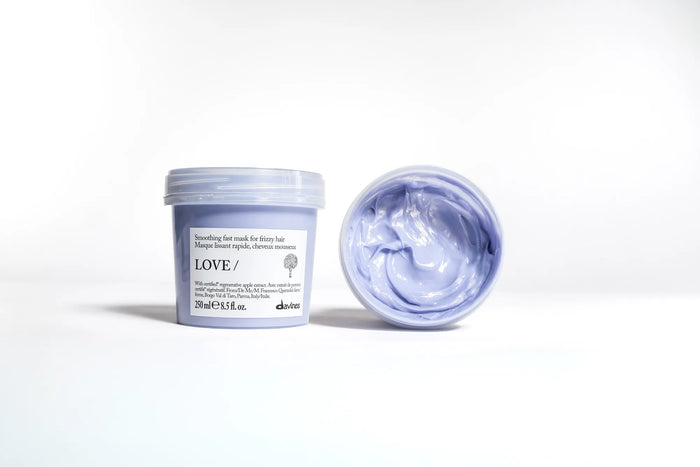
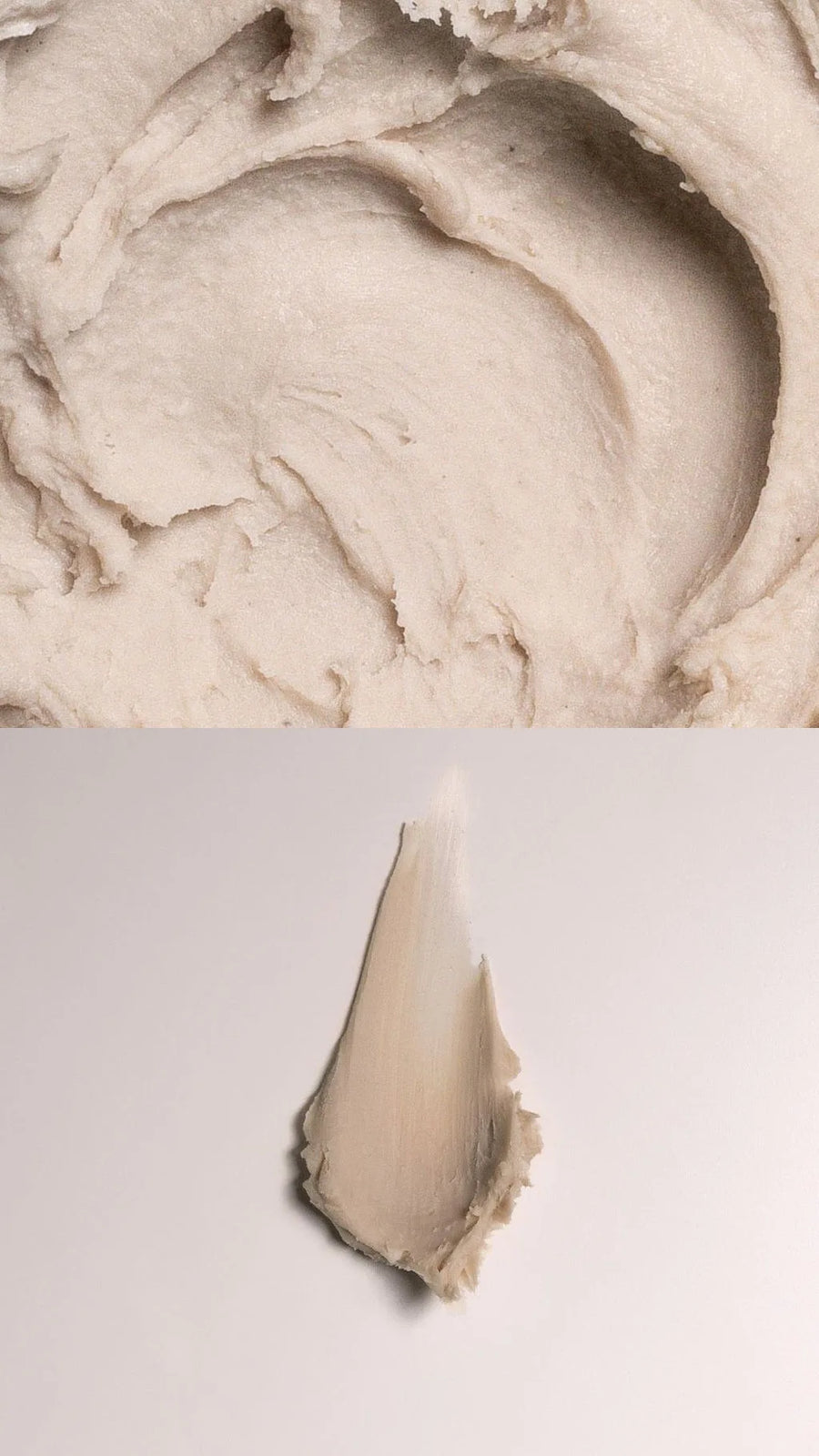
For coarse or dry hair that absorbs richer conditioning well.

Coarser strands and drier lengths genuinely take more. If your hair still feels dry after a balanced conditioner, this is the step up β€” and it belongs through the mids and ends rather than at the root.

Suits:

  • coarse or dry lengths
  • absorbs richer formulas
  • mids and ends
  • still feels dry after conditioning

On the card: Conditioning level Β· Rich

Shop rich care

Rich + treatment routine

For very dry, highly textured or chemically compromised hair.

Not a third conditioning level β€” it is Rich products plus a mask or treatment where the hair needs it. We deliberately did not invent a new value for this; the store's conditioning scale stays at three.

Suits:

  • very dry lengths
  • highly textured
  • chemically compromised
  • rich products + a treatment step

On the card: Rich + a mask or treatment

Shop treatments

Lightweight still exists in the store's data and still matters β€” plenty of dense hair is weighed down by rich products. If your hair gets heavy easily, start lighter, not richer.

These are different jobs

Does it need
softness or control?

Moisture changes
how it feels.
Smoothing changes
how it behaves.

Moisture

Hair feels dry, rough or stiff.

Moisture is about how the hair feels in your hand β€” softness, flexibility, slip. Conditioners, masks, leave-ins and oils all live here. If the problem is how it feels, this is the shelf.

You may notice:

  • feels dry or stiff
  • lacks softness
  • rough through the lengths
  • conditioners, masks, leave-ins, oils

On the card: Main need Β· Moisture

Shop hydration

Smoothing

Hair frizzes or expands.

Smoothing is about how the hair behaves β€” whether it stays where you put it, how it reacts to humidity, how much it expands through the day. Smoothing care, serums, styling creams and heat support.

You may notice:

  • frizzes or expands
  • reacts to humidity
  • hard to control
  • smoothing care, serums, creams

On the card: Main need Β· Smoothing

Shop smoothing

Both

Many thick hair types need both.

This is the most common answer, and it is not a compromise. A rich conditioner for how it feels, plus a smoothing leave-in or serum for how it behaves β€” two jobs, two products, one routine.

You may notice:

  • rich conditioner
  • leave-in
  • smoothing serum
  • an appropriate oil or finish

On the card: Moisture + Smoothing

Build a complete routine

Reaching for more moisture when the actual problem is frizz is the most common mis-step we see on thick hair β€” and it usually makes the hair heavier without making it behave.

When thick is also textured

Moisture
is not hold.

Thick curls may need moisture, definition, hold and frizz control β€” but those are four different jobs, and a product that does one well often does another badly. Our Curl + Texture page carries the full system; this is the thick-hair slice of it.

Not all coarse hair curls

Straight can
still need weight.

Thick straight or wavy hair needs richer conditioning and control too β€” it just shows it differently. Instead of losing definition, it goes rough, expands at the surface, or sits heavy at the root and dry at the ends.

Where you put it matters

Rich doesn't
have to mean greasy.

The right richness
in the wrong place
can still feel heavy.

Roots

Cleanse, lighter styling, root-specific care.

The root area produces its own oil and sits closest to the scalp. It wants cleansing and light styling β€” not a rich mask, a heavy oil or a deep conditioner by default.

Typically:

  • shampoo
  • lighter styling
  • root-specific volume or care
  • not rich mask or heavy oil

On the card: Placement Β· Roots

Shop root care

Mids

Conditioner, leave-in, smoothing cream, serum.

The working middle. Most of the routine belongs here β€” conditioning for softness, leave-in for detangling and prep, smoothing for control.

Typically:

  • conditioner
  • leave-in
  • smoothing cream
  • serum

On the card: Placement Β· Mids + Ends

Shop mids + ends care

Ends

Mask, leave-in, oil, serum, richer finish.

The oldest hair on your head, and the driest. Ends can take a richer product than the rest of the hair β€” and usually need one.

Typically:

  • mask
  • leave-in
  • oil or serum
  • richer finish

On the card: Placement Β· Mids + Ends

Shop end care

Every product in this collection carries a placement value, so you can filter by where it goes rather than guessing. On dense hair this matters more than on any other hair type.

What kind of support does it need?

Conditioner,
mask, cream,
oil or serum?

Five formats, five different jobs. The format tells you what the product does and where it goes β€” the conditioning level tells you how much your hair can carry.

Give the hair enough.
Not just more.

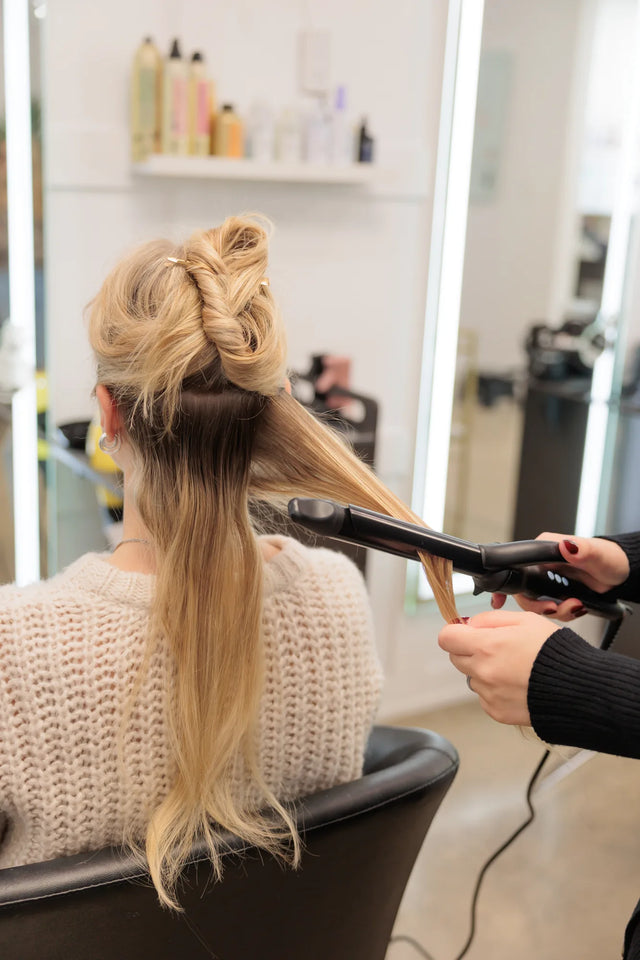
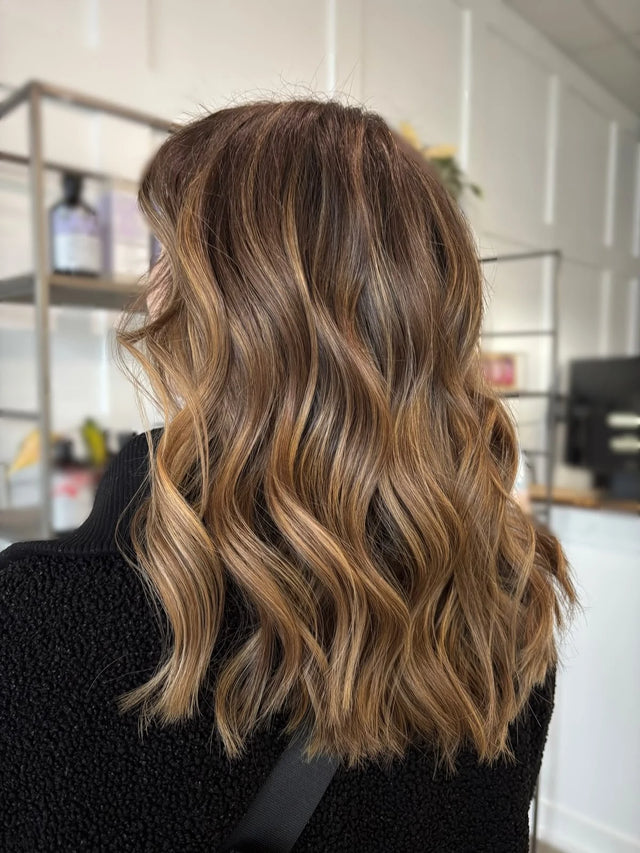
Moda Salon round-brush brunette blowout

More hair can mean more styling time

Protect before
you spend 20 minutes
drying it.

Dense hair takes longer to dry and longer to style. That does not mean thick hair is automatically damaged β€” it does mean the heat adds up, and thermal protection matters more when the dryer is on for longer.

The Moda shortcut

What does your
thick hair need most?

Six stylist-selected starting points. Damaged and colour-treated deliberately aren't single picks β€” those route to the Repair and Colour Care pages, where the full range lives.

All thick + coarse care

Shop all thick + coarse hair.

232 products

Quick filters

Active filters

Clear all
1 2 3 … 10
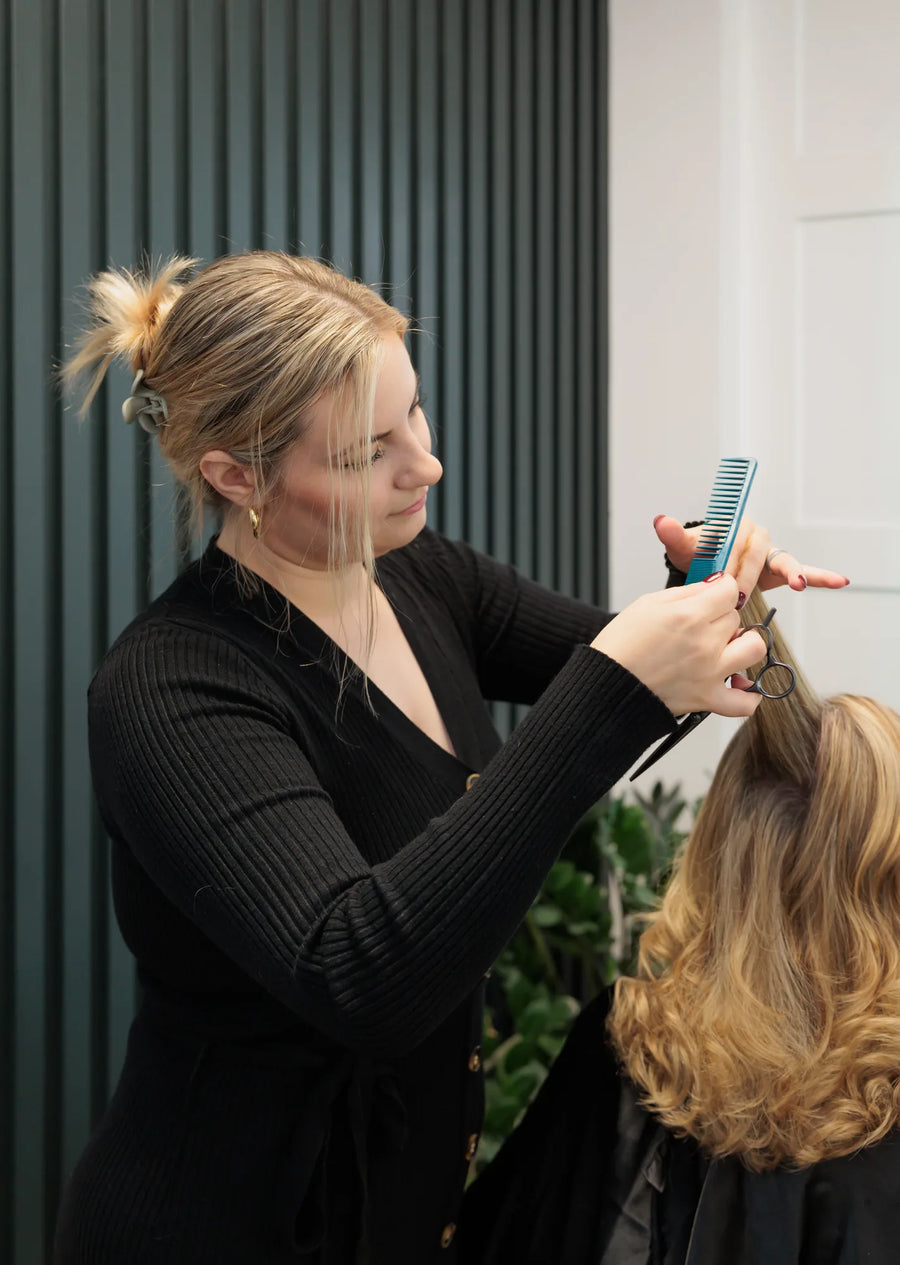
Moda Salon Bowmanville stylist precision haircut

A lot of hair changes the cut too

The right cut
can remove work
without removing
the hair.

Shape, weight distribution, internal movement and density all affect how thick hair behaves at home. A cut built for the amount of hair you actually have can take fifteen minutes off a blow-dry without making the hair look thinner.

Thick hair questions?

A few things worth knowing.

What is the difference between thick and coarse hair?

Thick describes how much hair you have β€” the number of strands on your head. Coarse describes the strand itself β€” how wide a single hair is. They are two different measurements, and you can have either without the other. Most people saying thick mean dense.

What is the difference between thick and dense hair?

In practice they usually mean the same thing: a lot of hair growing in a given area. The word that's genuinely different is coarse, which is about strand diameter rather than quantity.

Can I have fine but thick hair?

Yes, and it's very common. Fine, dense hair means lots of individual strands that are each quite narrow. It behaves differently from coarse hair: there's a lot of it, but it's easily weighed down. Rich products are usually the wrong starting point.

Can I have coarse hair that isn't very dense?

Yes. Coarse, low-density hair means fewer strands, each with a wider diameter. It often wants richer conditioning for the strand itself without the volume of product that dense hair needs.

How do I know if my hair is coarse?

Roll a single strand between your fingers. If you can clearly feel it, it's likely coarse; if you can barely feel it, it's likely fine. Do it with a clean strand and compare a few, because hair varies across the head. This tells you nothing about how much hair you have.

What products are good for thick hair?

It depends entirely on what your thick hair needs. Dense and dry wants moisture; dense and frizzy wants smoothing; dense and flat at the root wants lighter root care, not richer. That is why this page starts with the need rather than with a product.

What products are good for coarse hair?

Coarser strands generally absorb richer conditioning well β€” a rich conditioner, a mask where needed, and an oil or serum on the mids and ends. But coarse doesn't automatically mean dry, so check how the hair actually feels first.

Does thick hair need more moisture?

Not automatically. A lot of hair needs enough product to cover it, which isn't the same as needing richer product. If your hair feels soft but frizzes, the answer is smoothing, not more moisture.

Does coarse hair need richer conditioner?

Often yes β€” a wider strand takes more conditioning to soften. But start balanced and step up if the hair still feels dry. Going straight to the richest option is how coarse-but-not-dry hair ends up feeling coated.

Can thick hair get weighed down?

Absolutely. Thick hair can take more, but it can still be overloaded β€” especially fine, dense hair. Weight at the root is usually product placement rather than the product being wrong.

What should I use for thick dry hair?

Rich conditioning through the mids and ends, a mask when the hair asks for it, and an oil or leave-in to finish. Our Dry Hair + Hydration page carries the full range; this page filters it to what suits more hair.

What should I use for thick frizzy hair?

Smoothing rather than more moisture. A smoothing conditioner, a leave-in or serum through the lengths, and heat protection if you use hot tools. Frizz is a behaviour problem, not a softness problem.

What should I use for thick curly hair?

Moisture, definition, hold and frizz control are four different jobs, and dense curls usually need more than one. Our Curl + Texture page has the complete system.

What should I use for thick straight hair?

Richer conditioning through the mids and ends, something smoothing if the surface goes rough, and lighter product at the root. Straight thick hair shows weight faster than curly hair does.

What should I use for coarse straight hair?

This is the combination that takes richness best β€” a rich conditioner, a mask, and a smoothing serum or oil on the lengths. Keep it off the root area.

What should I use for dense hair with flat roots?

Lighter product at the root, richer through the mids and ends, and root-specific styling if you want lift. The instinct to add a rich treatment all over is what causes flat roots in the first place.

Should thick hair use a mask, and how often?

Use one when the hair asks rather than on a schedule. Coarse, chemically treated or very dry lengths get the most from it. If your hair feels coated or goes flat afterwards, you're using it too often or applying it too close to the root.

Should I use oil on thick hair, and where?

Yes, on the mids and ends, in a smaller amount than you think. Oil at the root is what makes dense hair look greasy rather than polished. Fine dense hair should start with a light oil or a serum instead.

What's the difference between moisture and smoothing?

Moisture changes how the hair feels β€” softness, flexibility, slip. Smoothing changes how it behaves β€” frizz, expansion, humidity. Many thick hair types need both, and they are separate products doing separate jobs.

Does thick hair need stronger styling products?

Often yes, simply because there is more hair to hold. Dense hair can need a genuinely firmer product than the length of the cut suggests. That's a hold question rather than a conditioning one.

Does dense hair need clarifying shampoo?

Not routinely. Dense hair can make the scalp harder to reach, which means buildup is easier to miss β€” but that calls for better sectioning and rinsing, not clarifying every wash. Clarify when the hair genuinely feels coated.

How do I wash very dense hair properly?

Section it. Work the shampoo into the scalp in parts rather than piling it all on top, rinse for longer than feels necessary, keep conditioner off the root, and dry the root area properly. Most dense-hair scalp complaints are access problems, not product problems.

Does thick hair take longer to blow-dry, and should I still use heat protection?

Yes to both. More hair means more drying time, which means more cumulative heat β€” so protection matters more, not less. Everything on our heat shelf carries a verified thermal-protection claim from its maker.

What haircut is good for thick hair, and can Moda build me a routine?

One built for the amount of hair you actually have β€” shape, weight distribution and internal movement can take real time off your blow-dry without making the hair look thinner. And yes: tell us whether your hair is coarse, dense or both, and what it's doing, and we'll build the routine around it.

Still wondering about something? Ask Moda

Dry? Rough? Frizzy? Curly? Just a lot of hair?

Tell us what your hair is actually doing.

Tell us whether your hair feels dry, coarse, heavy, frizzy, curly, difficult to style or simply very dense. We'll help separate strand size, density and the actual concern so you can choose the right level of care.