Finish + care

Shop Hair Oils + Serums

Softness. Shine. Control. Without the guesswork.

Professional hair oils and serums for softness, shine, frizz control, repair, breakage support and polished finishing — made easier to choose by what you actually want the product to do.

A little can do a lot.

View products
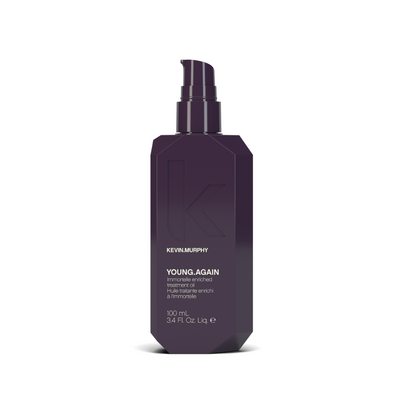
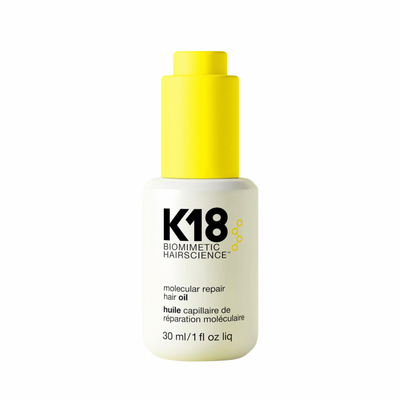
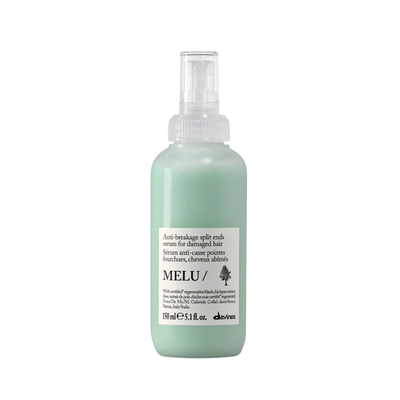
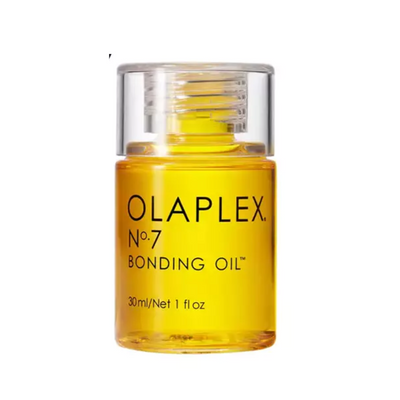
Huile Oi - Davines 135 mlHuile de soin Young Again - Kevin MurphyK18 Molecular Repair Hair Oil | Strengthen, Smooth + Shine available at Moda SalonLiving Proof No Frizz Vanishing OilDavines MELU Essential Haircare Serum | Anti-Breakage Split Ends Serum for Long and Damaged HairOLAPLEX Nº.7 Bonding Oil | Shine + Heat Styling Polish available at Moda Salon

The oil + serum guide

Oil or serum?

The name doesn't tell you everything. The job does. Not every oil nourishes deeply, not every serum is light, and neither word tells you whether it repairs anything — read the result first, the format second.

Same family.
Different jobs.

Hair oil

Oil-based. Job varies.

Usually a blend of plant or lightweight synthetic oils. Depending on the formula, the job can be softness, shine, frizz control, finishing, pre-styling, dry-end care or treatment — the label tells you which.

Common jobs:

  • softness + shine
  • frizz control + finishing
  • pre-styling or dry-end care
  • treatment (where positioned)

Choose: the oil whose stated job matches yours — the base doesn't decide it.

Shop oils
Serum

Concentrated. Often targeted.

A concentrated, often water- or silicone-based formula. Depending on the product, the job can be smoothing, breakage support, split-end targeting, shine, styling control or a specific treatment.

Common jobs:

  • smoothing + shine
  • breakage / split-end targeting
  • styling control
  • targeted treatment

Choose: the serum built for the exact result — repair, ends, smoothing — rather than 'a serum'.

Shop serums
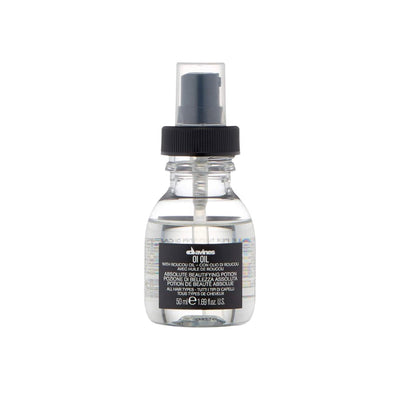
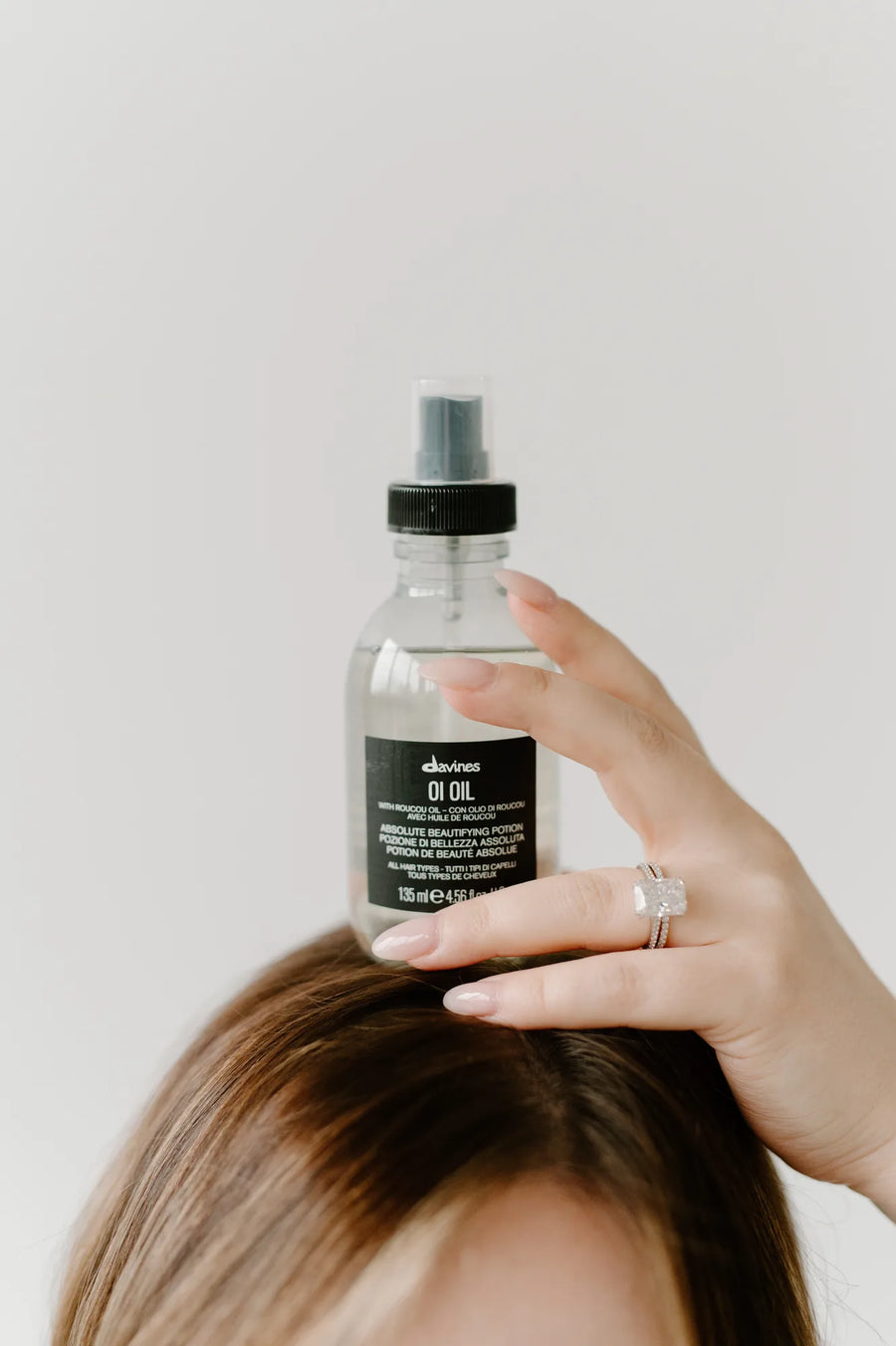
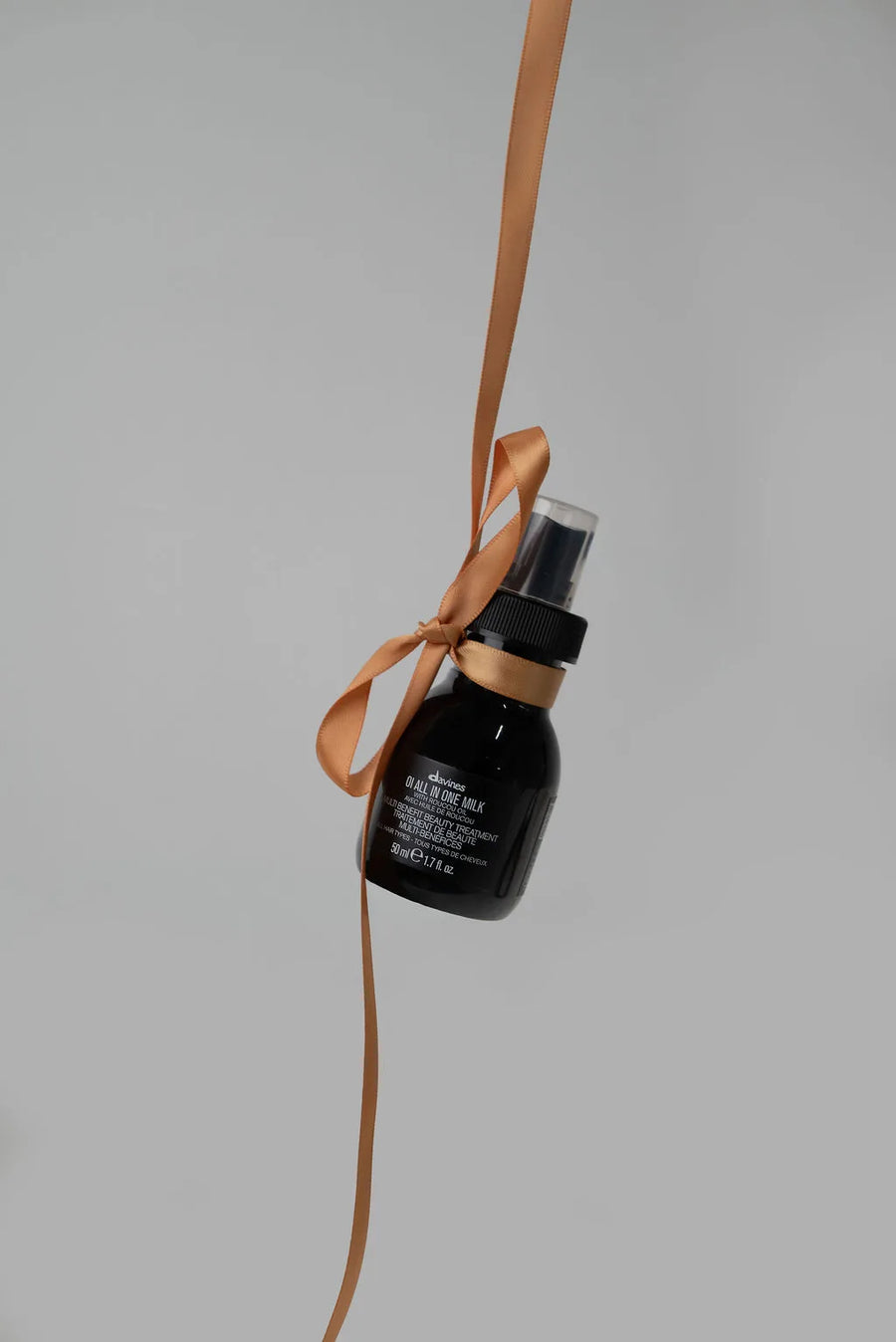
Moda Salon Davines OI Oil with ribbon

When are you using it?

Treat first —
or finish last?

The same bottle can be a prep step or a finishing step, and some are only one of the two. We take this from each product's own directions — never from whether it's an oil or a serum.

Moda Salon blonde balayage hair detail

For fine hair

Yes,
fine hair can use an oil.

The issue usually isn't that an oil exists. It's choosing the right formula, using it in the right place and starting with the right amount — which varies by product, length and density, so follow the directions on the bottle.

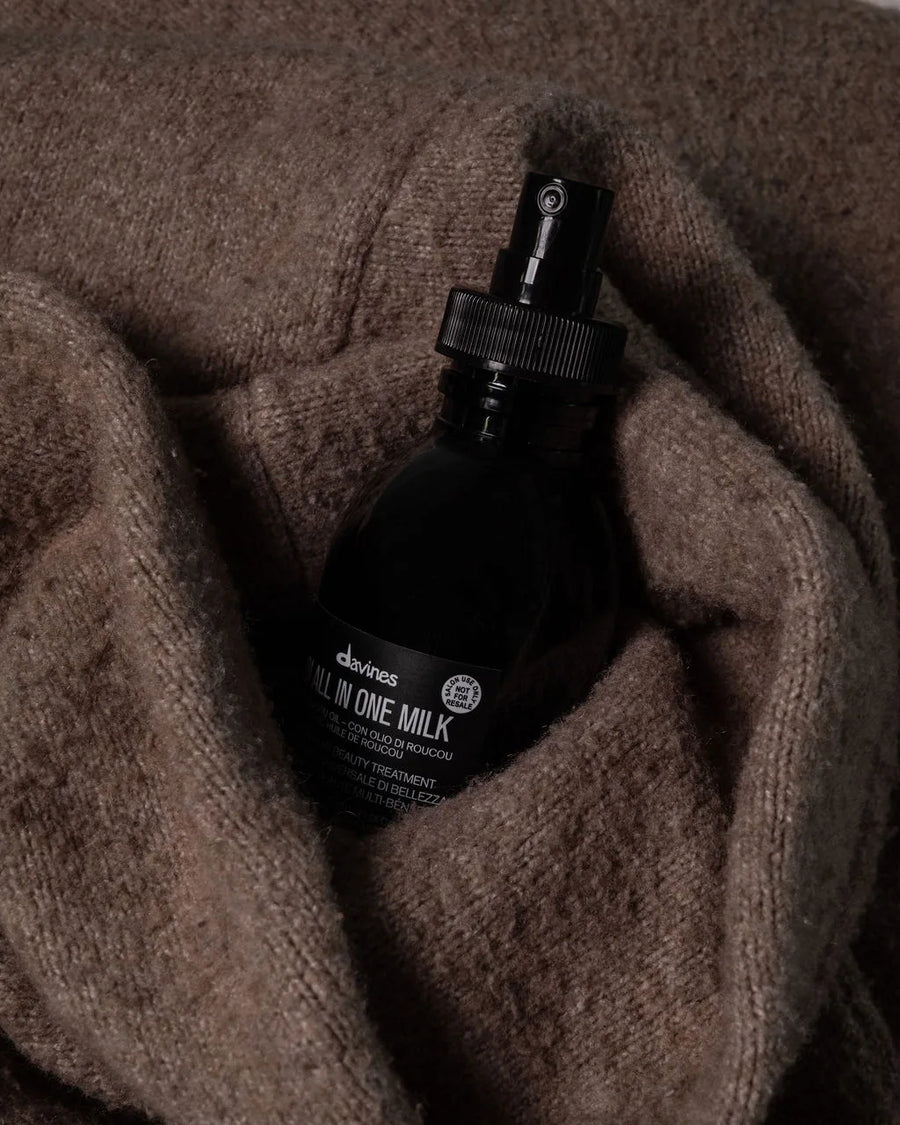
Moda Salon Davines OI All In One Milk on a knit sweater

One thing worth knowing

Oil and hydration
aren’t the same thing.

Hair oils can be excellent for softness, shine, lubrication, smoothing and reducing the rough feel of dry lengths, depending on the formula. But an oil isn't automatically the same thing as a hydrating leave-in or conditioning treatment. Different products do different jobs — if hair needs moisture first, start there.

Before the heat

Not every hair oil
is a heat protectant.

Only choose an oil or serum as thermal protection when the manufacturer explicitly provides a current heat-protection claim. We never infer it from the format, the texture, the brand or the fact that it goes on before styling.

Verified heat protection

The label says so.

Oils and serums whose manufacturer states a current heat-protection claim. Used on damp hair before the dryer or iron, as directed.

How to tell:

  • a stated temperature or 'thermal protection' claim
  • directions that say 'before heat styling'
  • marked heat protection on the card

Use: one of these — and only these — as your thermal step.

Shop oils with heat protection

Finishing only

Shine isn't a shield.

Plenty of excellent oils and serums are finishing products — shine, polish, flyaways — with no heat claim at all. Some say so explicitly.

How to tell:

  • no temperature or thermal claim
  • directions say 'dry, finished hair'
  • no heat-protection mark on the card

Use: a separate heat protectant underneath, then the finishing oil on top.

Shop all heat protection
Moda Salon blonde balayage hair detail

Focus on the ends

The oldest hair usually
needs the most attention.

Ends have been through the most heat, colour and brushing. Match the product to what you're seeing — each of these routes uses the product's own approved language, nothing more.

All oils + serums

Shop all hair oils + serums.

34 products

Active filters

Clear all
1 2

Oils + serums questions?

A few things worth knowing.

What's the difference between hair oil and hair serum?

Mostly the base. An oil is built on plant or lightweight synthetic oils; a serum is a concentrated formula that's often water- or silicone-based. Neither word tells you the job — an oil can be a finishing product or a treatment, a serum can smooth, target ends or hold a style. Read the result on the card first, then the format.

Will hair oil make fine hair greasy?

Only if it's the wrong weight, the wrong place or too much. Fine hair does well with lightweight formulas applied to mid-lengths and ends, away from the root, starting with less than you think. Use the Lightweight filter and the Fine hair route above — and follow the amount on the product's own directions, because it varies.

Should I use hair oil on wet or dry hair?

It depends on the product. Some are designed for damp hair before styling, some for dry finished hair only, and some genuinely do both. We take that from each product's directions and show it on the card as Damp, Dry or Damp or dry — and you can filter by it.

How much hair oil should I use?

There isn't one number. It changes with the formula, your hair's length and density, how thick the strands are and whether the hair is damp or dry. The reliable rule is the product's own directions, and starting smaller than that — you can always add, but you can't take it out without washing.

Should hair oil go on my roots?

Usually not. Most oils and serums are made for mid-lengths and ends, and applying them at the root is what makes hair look flat or greasy. Products made for the scalp are a different category and live on the Scalp Care page. Follow the specific product's directions if it says otherwise.

Does hair oil hydrate hair?

Not in the way a hydrating leave-in or conditioner does. Oils are excellent for softness, shine, slip, smoothing and making dry lengths feel less rough — depending on the formula — but an oil isn't automatically a moisture product. If hair needs conditioning first, start with leave-in care or a mask, then finish with the oil.

Can hair oil repair damaged hair?

Some products carry a specific repair or breakage claim from the manufacturer — bond-building oils, strengthening serums — and we mark only those as Repair. Most oils and serums smooth, protect and improve how damaged hair looks and feels without changing its structure. If repair is the goal, the Treatments page may be the better place to start.

What's the difference between treatment oil and finishing oil?

A treatment oil is positioned to work on the hair — softness, repair support, protection — and often goes on damp hair before styling. A finishing oil is the last step on dry hair for shine, polish and flyaways. Some products do both and their directions say so; the card shows the type and the application.

Does every hair oil protect from heat?

No. Only products whose manufacturer states a current heat-protection claim are marked as such here, and some finishing oils say outright that they aren't protectants. If you use hot tools, choose a marked product for that step and treat any other oil as finishing.

What should I use for dry ends?

Start with the Softness pathway and a weight that suits your hair — Balanced or Rich for coarse or very dry lengths, Lightweight for fine hair. If the ends are rough rather than just dry, look at Smooth / Frizz; if they're breaking, look at products with a stated breakage or split-end claim.

What should I use for frizz?

A smoothing oil or serum, applied where the frizz is. On damp hair before drying it calms the surface as the hair sets; on dry hair it settles flyaways and humidity frizz. The weight matters more than the format — lightweight for fine hair, richer for coarse.

Can curly hair use hair oil?

Yes. Oils and serums add softness, definition and shine to curls and help with frizz, usually applied to damp hair before a curl cream or gel, or to dry curls as a finish. Weight is still a choice — curly doesn't automatically mean Rich. Curl-defining stylers themselves live on the Styling page.

Can I use oil and leave-in conditioner together?

Yes, and it's a common routine: leave-in first for moisture and detangling, then a small amount of oil or serum for smoothing, shine or heat protection where the product claims it. Keep both away from the root and start with less of each.

Can I use hair oil before blow-drying?

If the product is designed for damp application, yes — and if it carries a verified heat-protection claim, it can be your thermal step. If it's a finishing-only oil, apply it after the blow-dry instead and use a separate heat protectant underneath.

Can Moda help me choose?

Yes. Use Ask Moda below and tell us what you want a few drops to do — more shine, less frizz, healthier-looking ends, something light for fine hair — and a stylist will narrow it to one or two bottles.

Still wondering about something? Ask Moda

Not sure which one is for you?

Tell us what you want a few drops to do.

More shine? Less frizz? Healthier-looking ends? Lightweight polish for fine hair? Tell us what you're trying to improve and we'll help narrow down the right oil or serum.